Tattva University
Mumbai
- Site Area: 80 acres
- Built Up: 26,77,500 sq. ft.
Designing one of India’s most ecologically integrated university campuses.
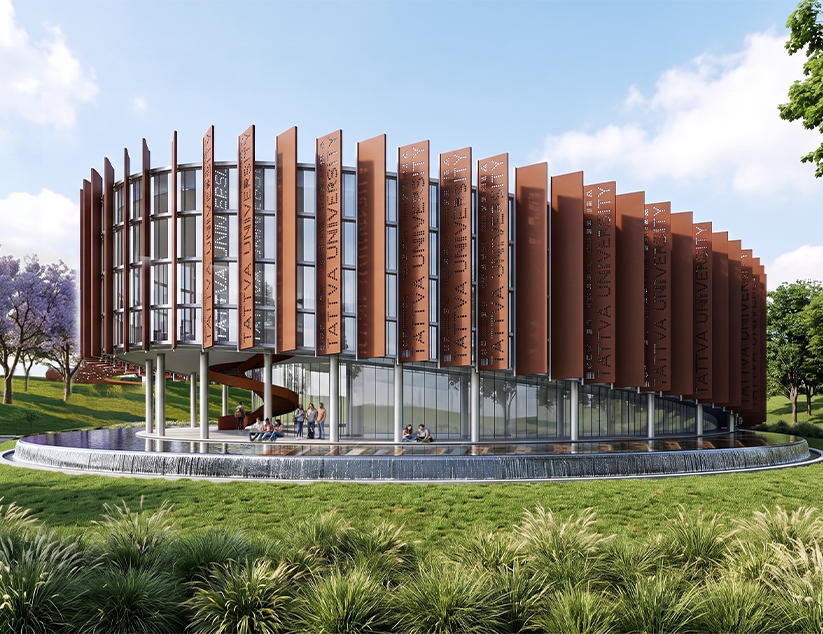
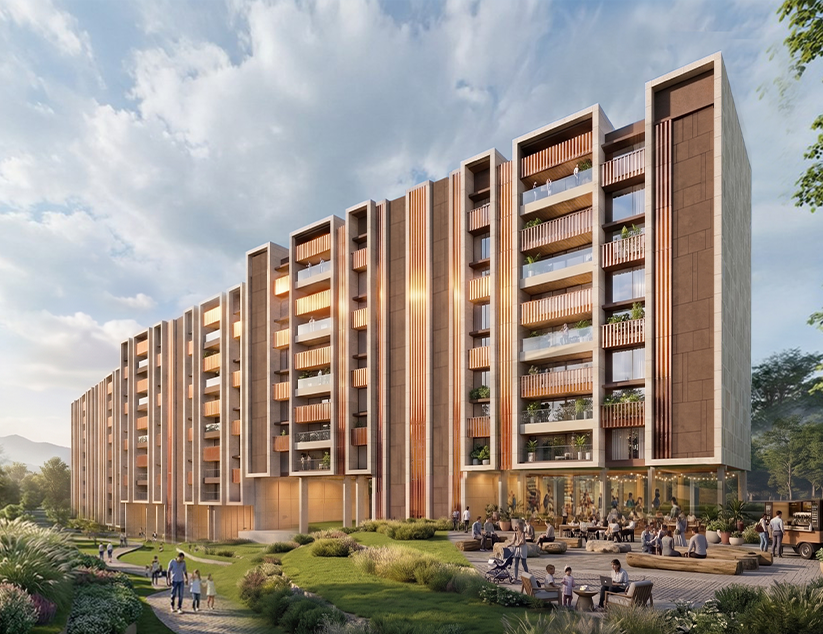
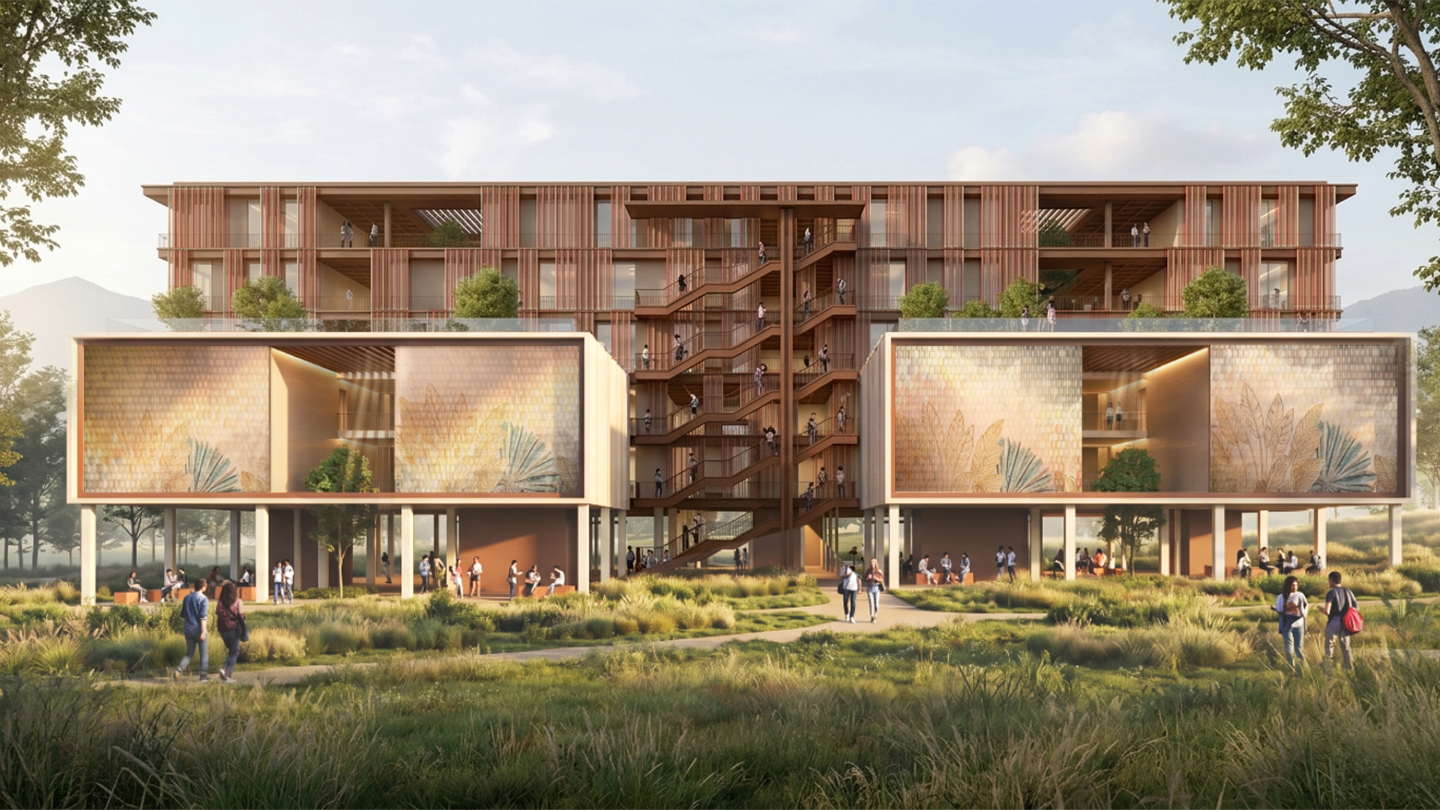
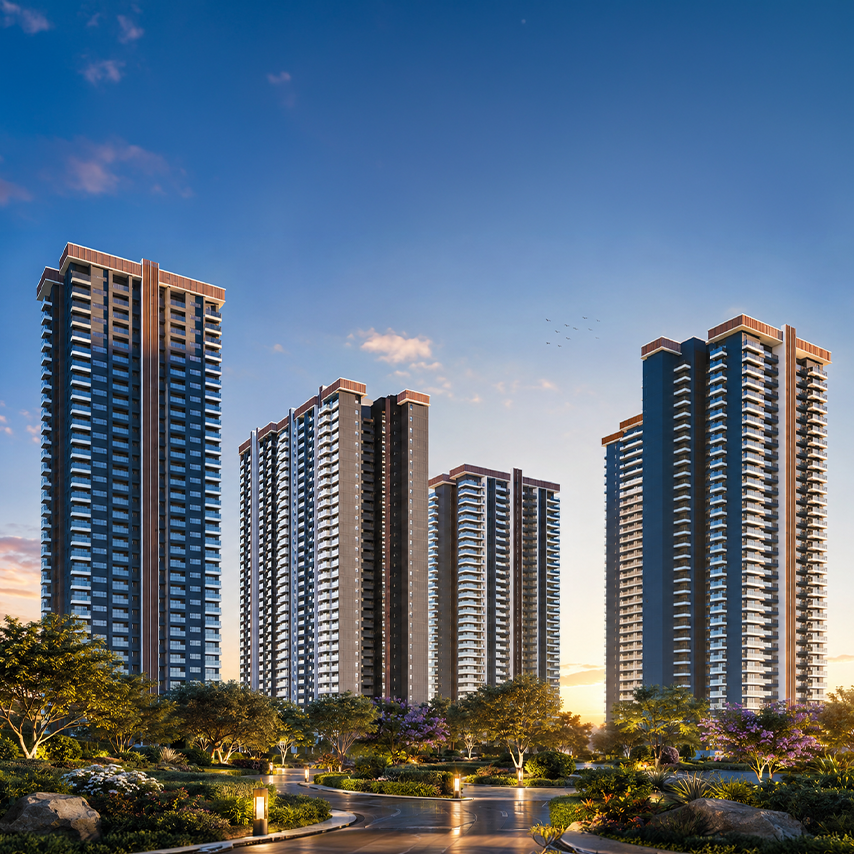
Set within the ecologically sensitive basaltic hills of Navi Mumbai, the masterplan for Tattva University envisions a next-generation academic campus shaped by landscape, community, and environmental stewardship. Conceived as a living ecosystem rather than a collection of buildings, the campus integrates learning, housing, recreation, and public life within a deeply responsive natural framework.
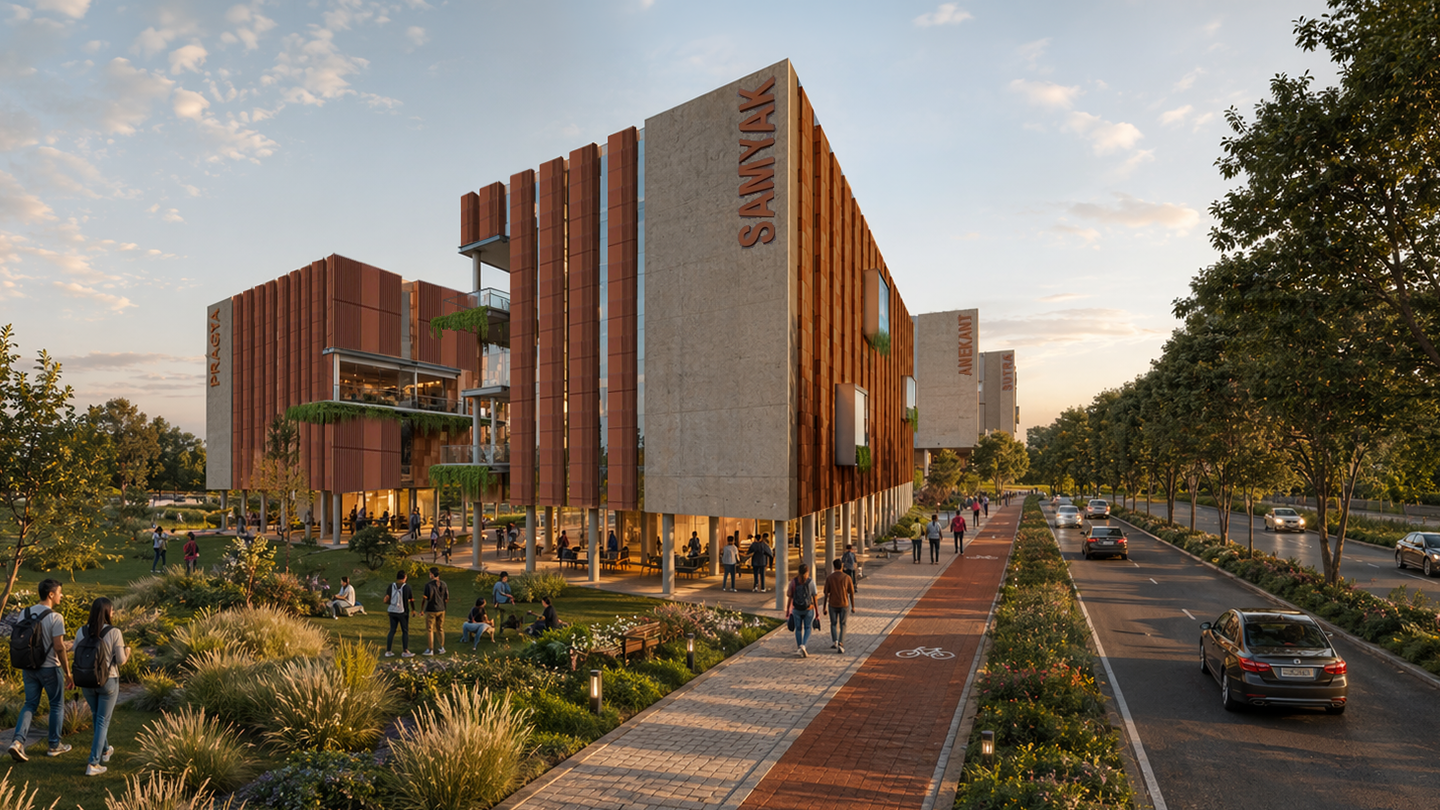
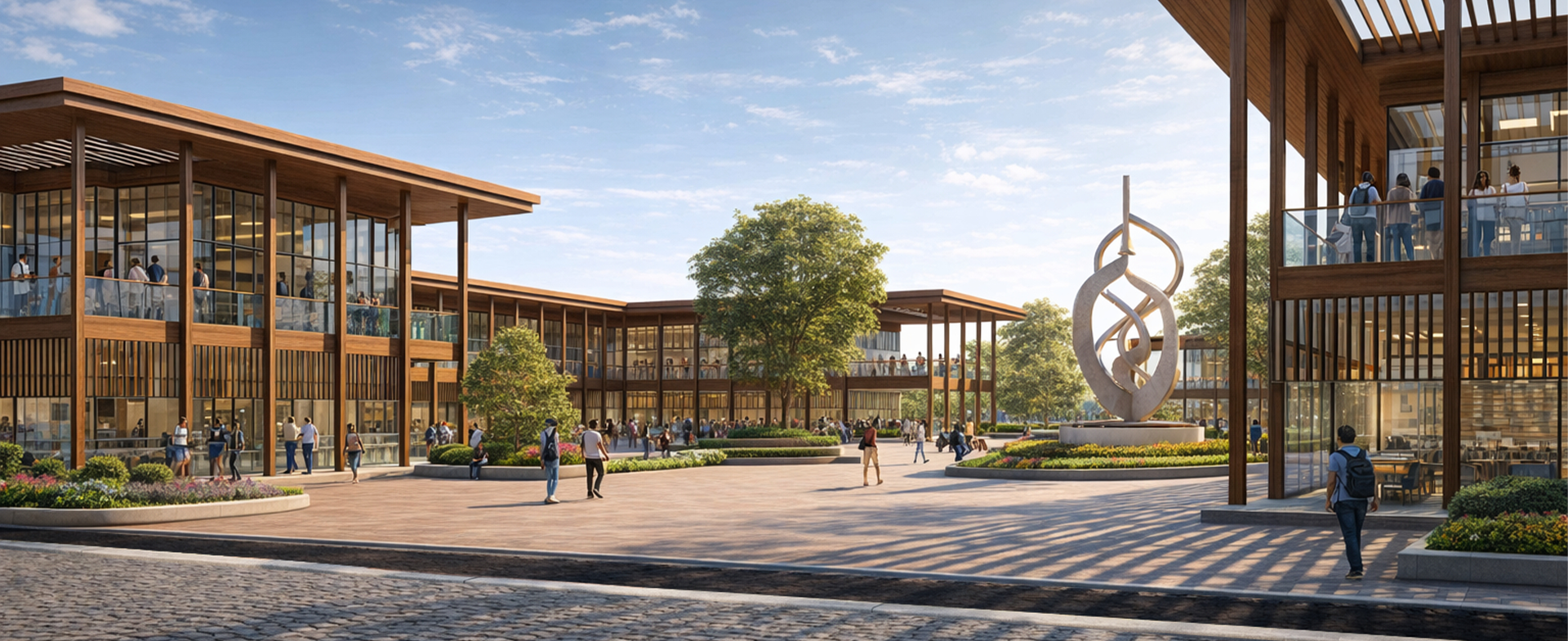
Inspired by the philosophical principles of Jainism, the masterplan translates ideas of balance, mindfulness, non-possessiveness, and ecological coexistence into spatial and landscape strategies. The campus is structured around a continuous “Collaboration Street”, a shaded pedestrian spine that connects academic blocks, student housing, gathering spaces, and recreational landscapes through a sequence of adaptable social environments. Conceived as an evolving framework, these spaces can transform into outdoor classrooms, exhibition areas, cafés, learning zones, and informal community spaces over time.
The landscape strategy responds sensitively to the site’s natural contours, hydrology, and biodiversity. Water catchments, bioswales, reservoirs, riparian edges, and ecological buffers are integrated into the planning to create a self-sustaining and climate-responsive campus ecosystem. More than 500 native trees are retained and complemented with demonstrative arboretums, biodiversity parks, organic farming terraces, and shaded community greens that strengthen the relationship between learning and nature.
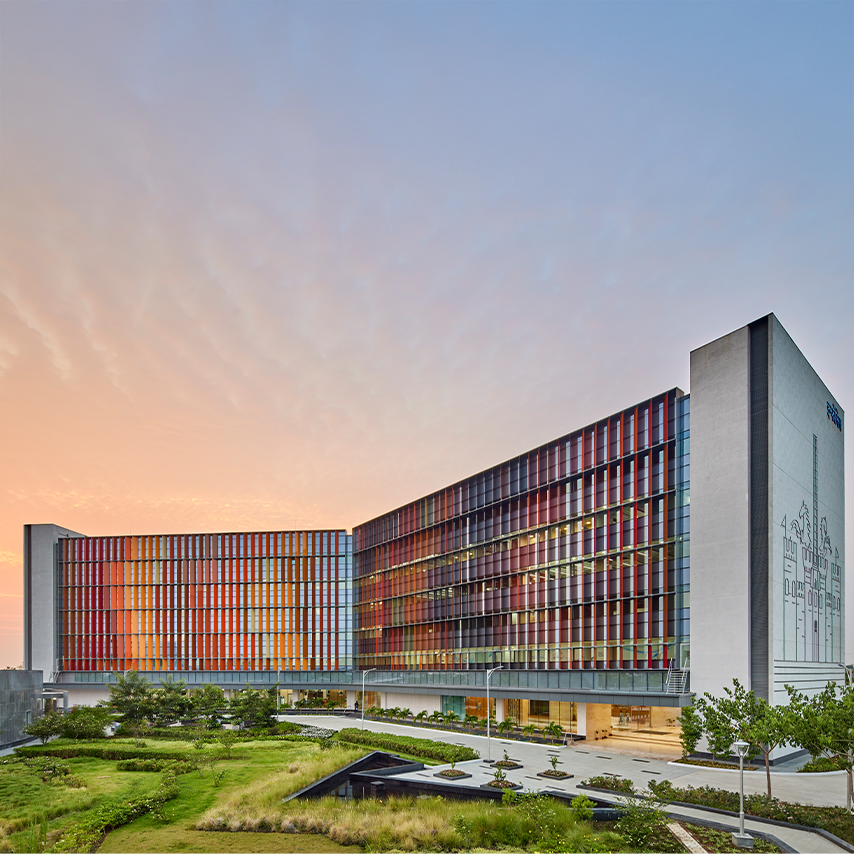
At the heart of the campus lies a central plaza designed as a social condenser capable of hosting large congregational events, while intimate community spaces woven through student and faculty housing foster everyday interaction and wellbeing. Materially, the campus draws from the region’s basaltic landscape and reinterprets traditional Indian climatic devices such as jaalis, shaded corridors, and porous façades through a contemporary architectural language. The result is a resilient academic environment that balances ecological sensitivity, cultural rootedness, and collective living