Trump Towers
Gurugram
- Site Area: 2.8 acres
- Built Up: 13,00,000 sq. ft.
A global signature in luxurious sky bound living
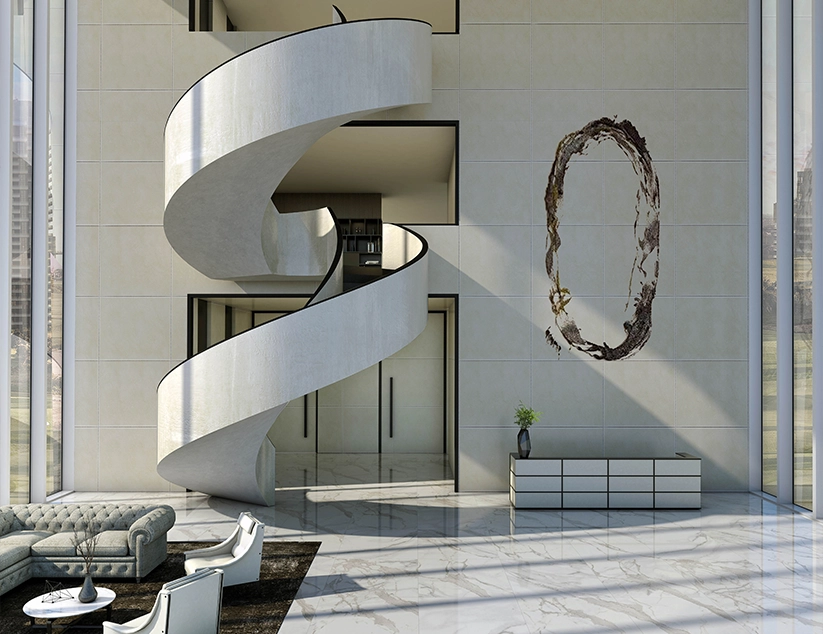
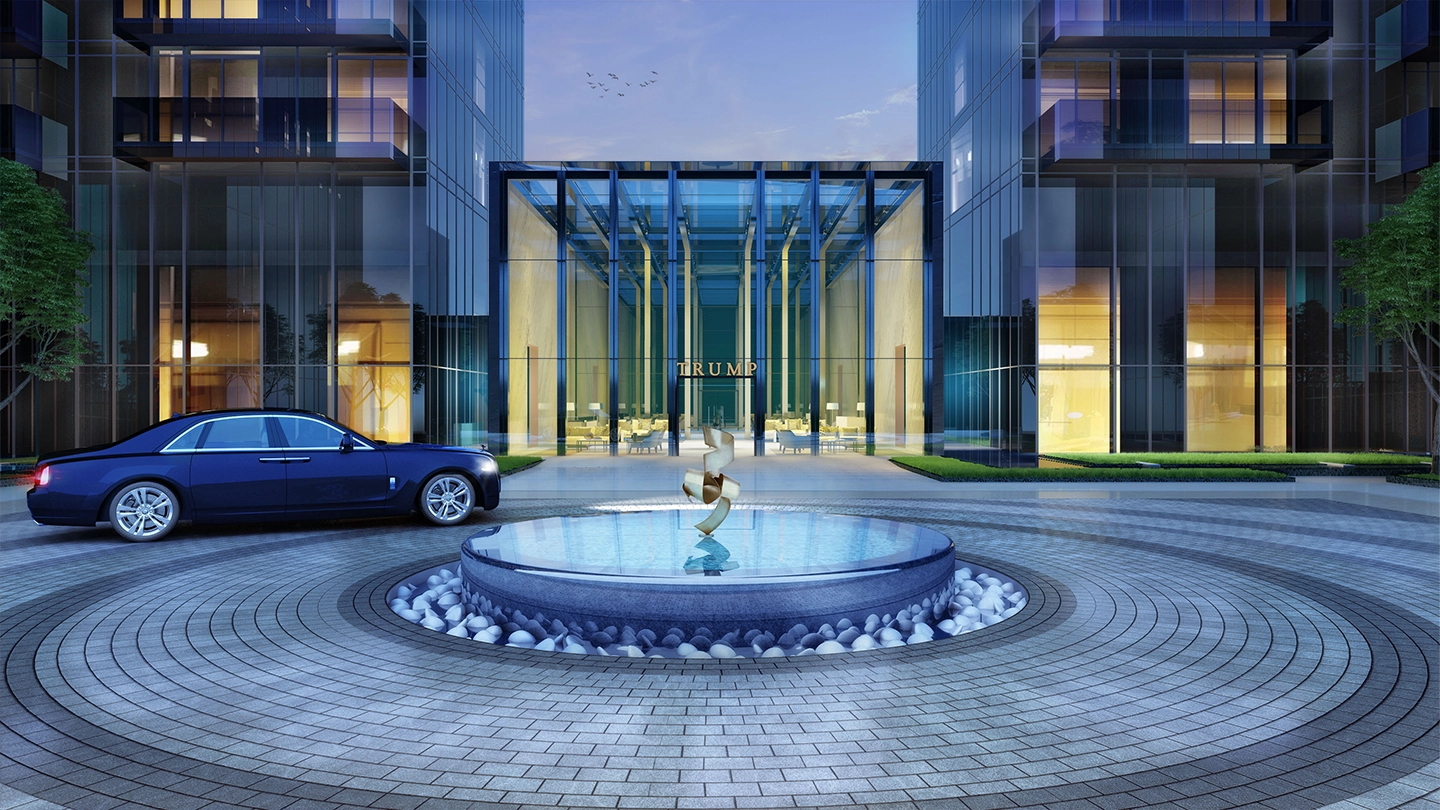
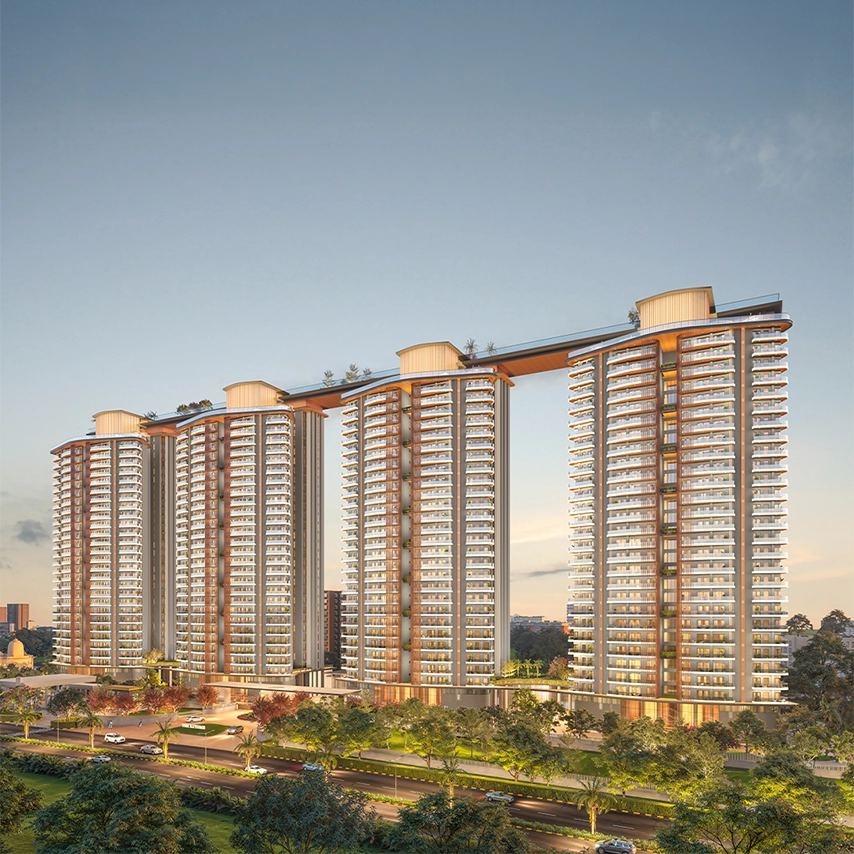
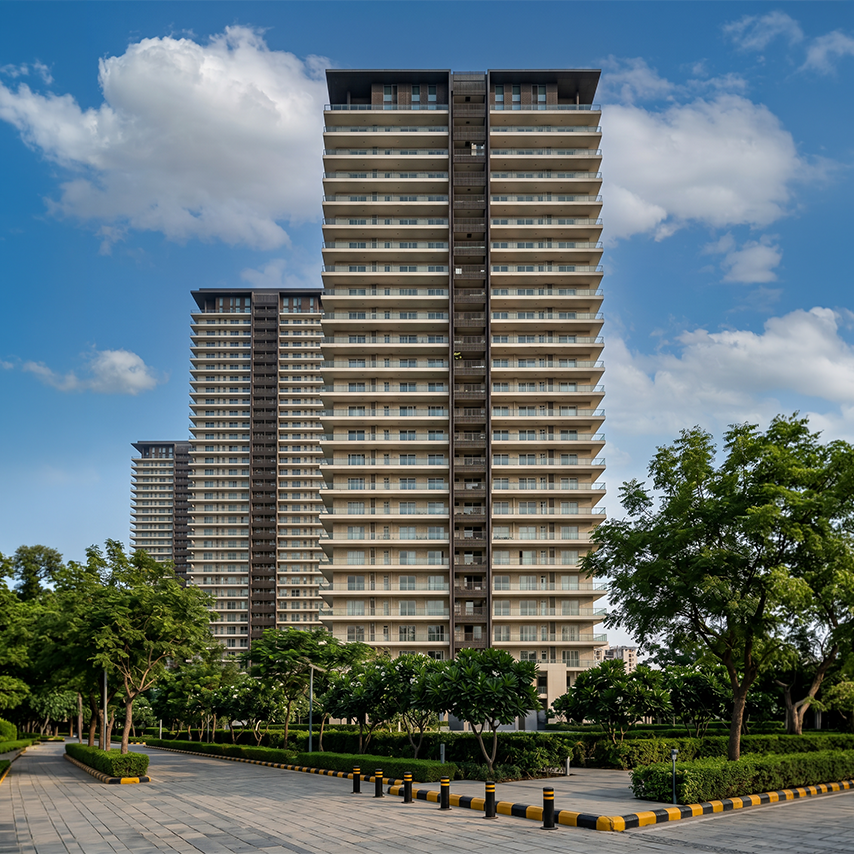
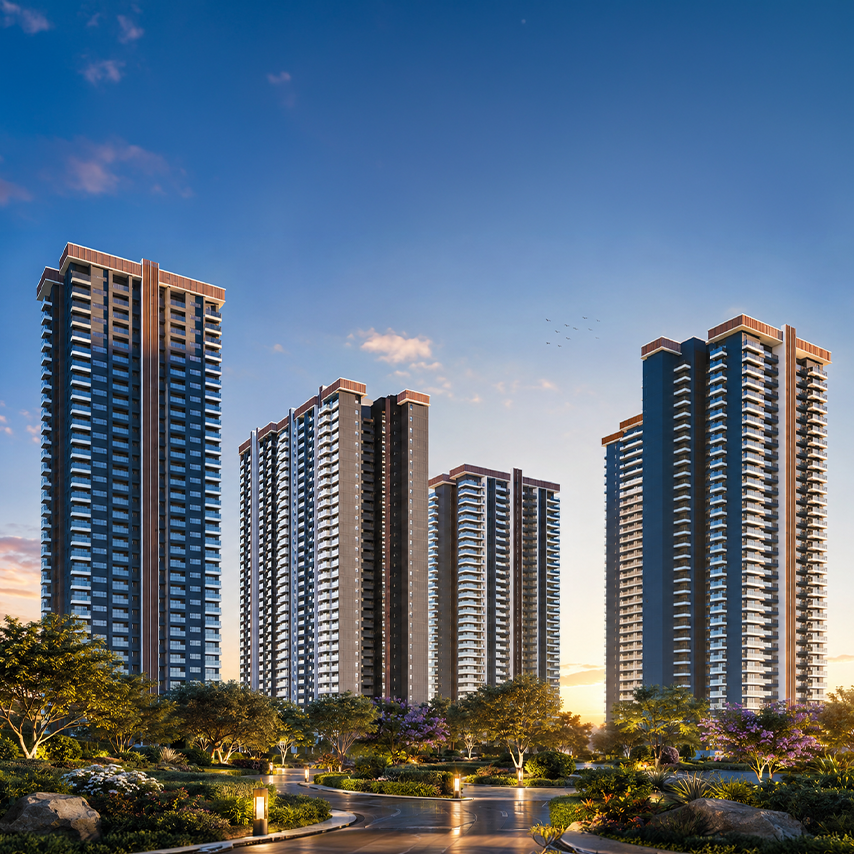
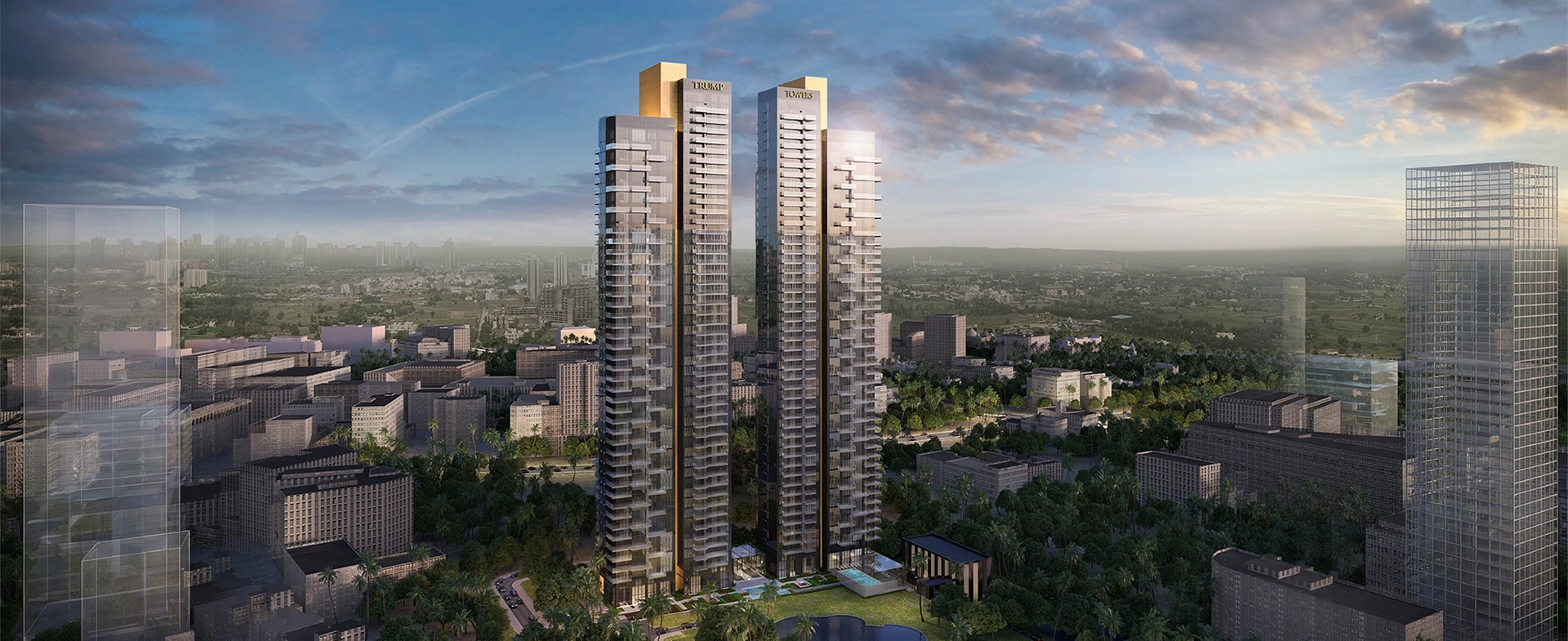
Trump Towers Gurugram brings a globally recognised residential brand into conversation with the rhythms of Indian life. Set on a 21-acre site along Golf Course Extension Road, the twin towers reinterpret luxury high-rise living through the spatial logic of the suburban bungalow. The project pairs the visual precision and refinement associated with the Trump brand with a more open, climate-responsive, and generous mode of habitation.
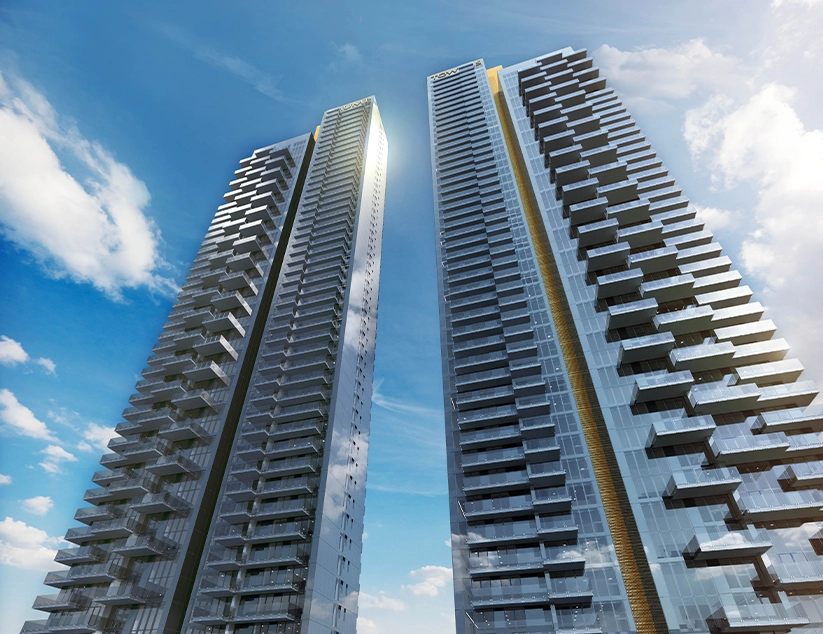
The brand’s architectural identity, typically expressed through reflective glass façades and tightly controlled interior environments, required careful adaptation in India, where domestic life places greater emphasis on openness, cross-ventilation, and a close relationship with the outdoors. The two slender towers, each rising to 47 floors, are therefore positioned to preserve views, maintain visual openness, and support natural ventilation across the site.
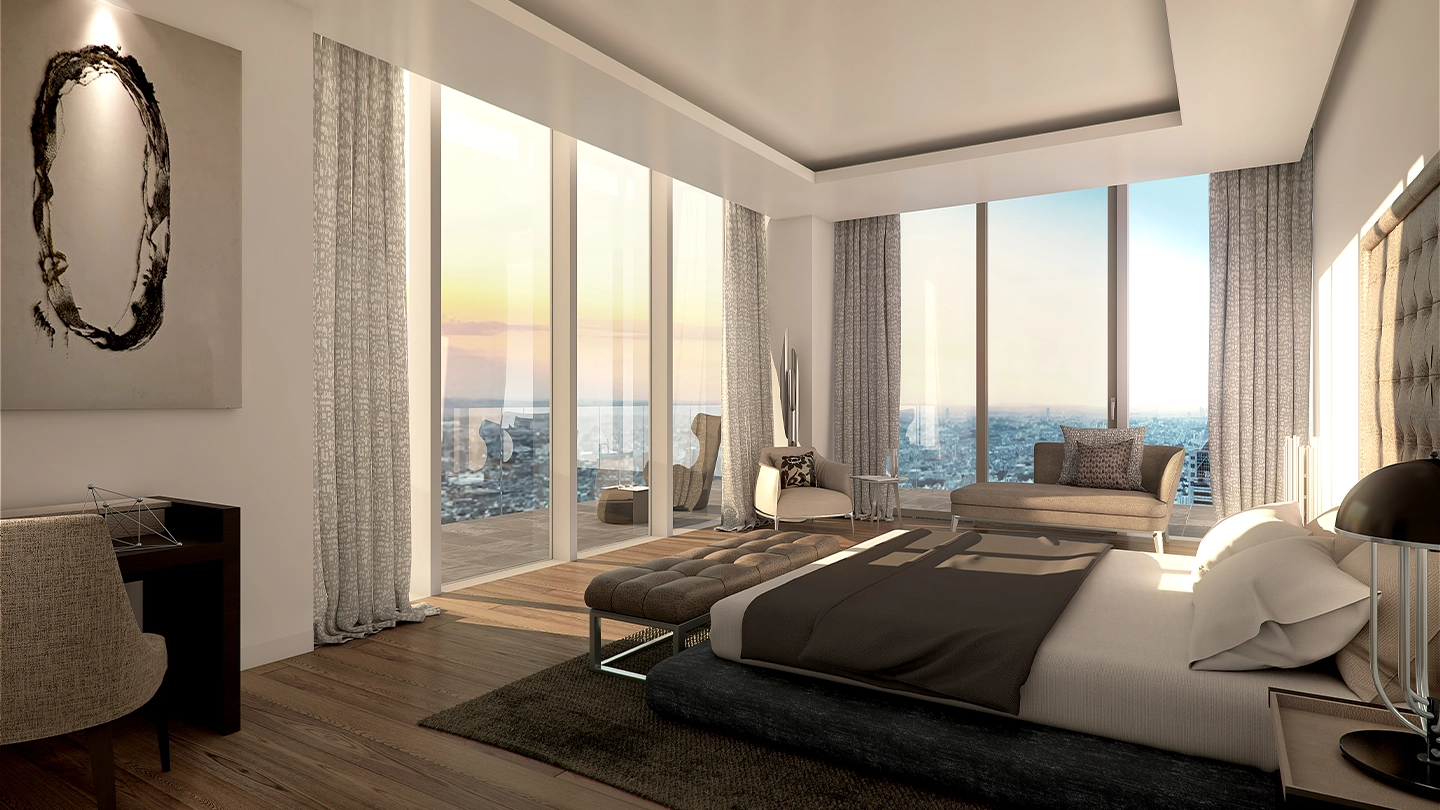
This negotiation is most evident in the residences themselves. Private outdoor spaces are integrated into each apartment, allowing direct access to air, light, and panoramic views while remaining carefully embedded within the glass façade. Terraces and balconies are designed to preserve privacy and uphold the building’s unified reflective character, creating a residential interface that is both permeable and visually disciplined.
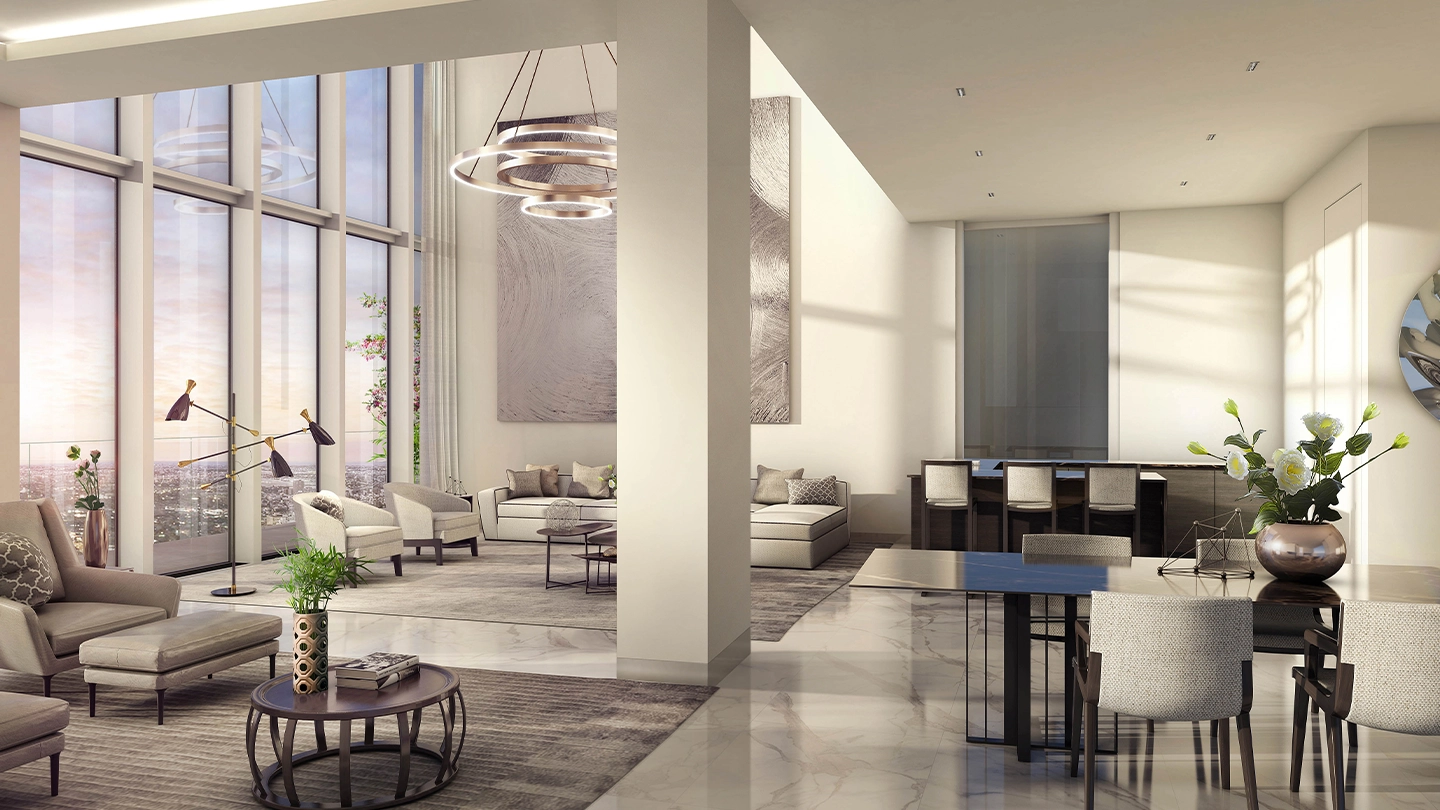
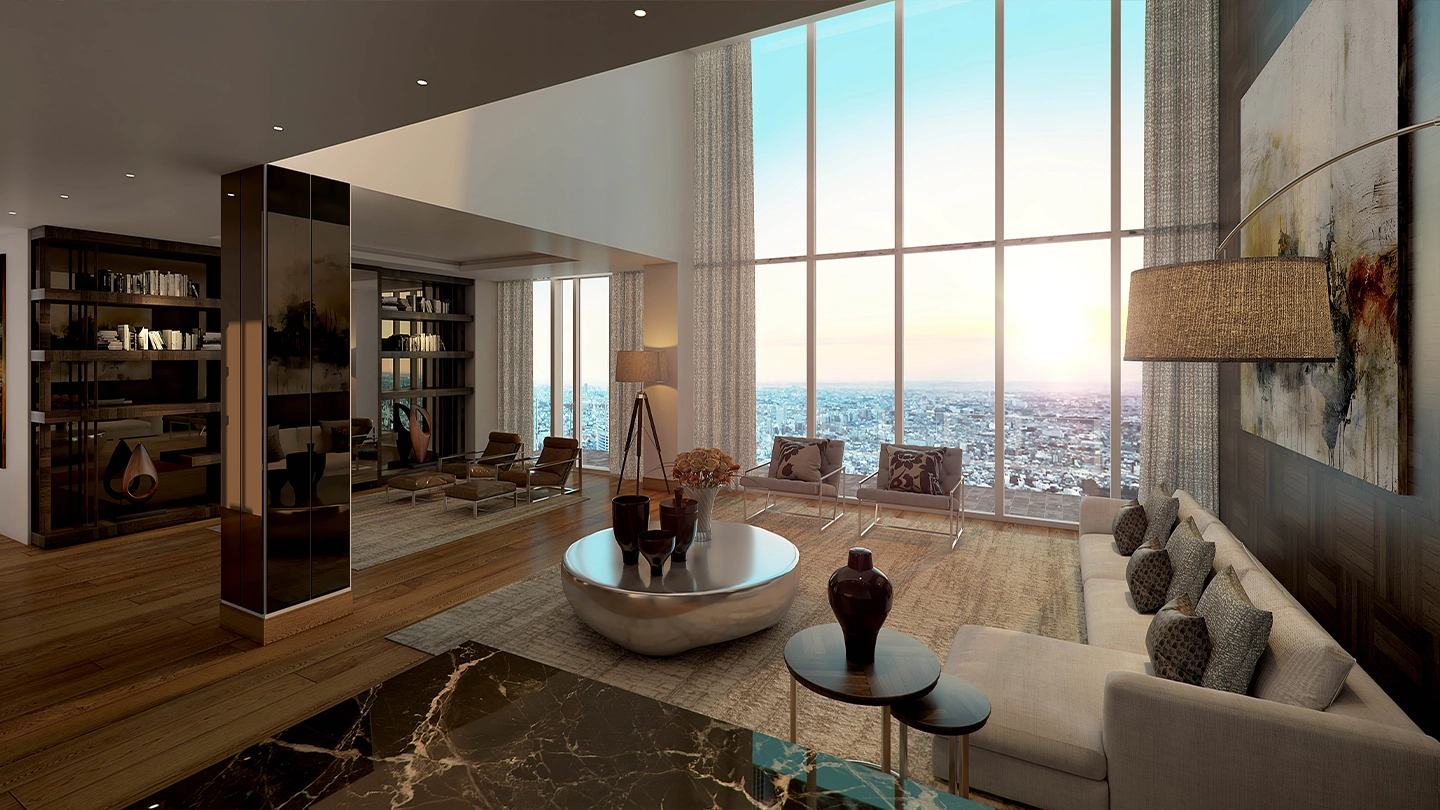
Select homes are conceived as interlocking duplex units with expansive double-height living spaces, bringing the scale and spatial richness of an independent house into a vertical format. This reinterpretation of bungalow living is further reinforced by circulation planning that eliminates conventional shared corridors, enhancing both privacy and acoustic separation.
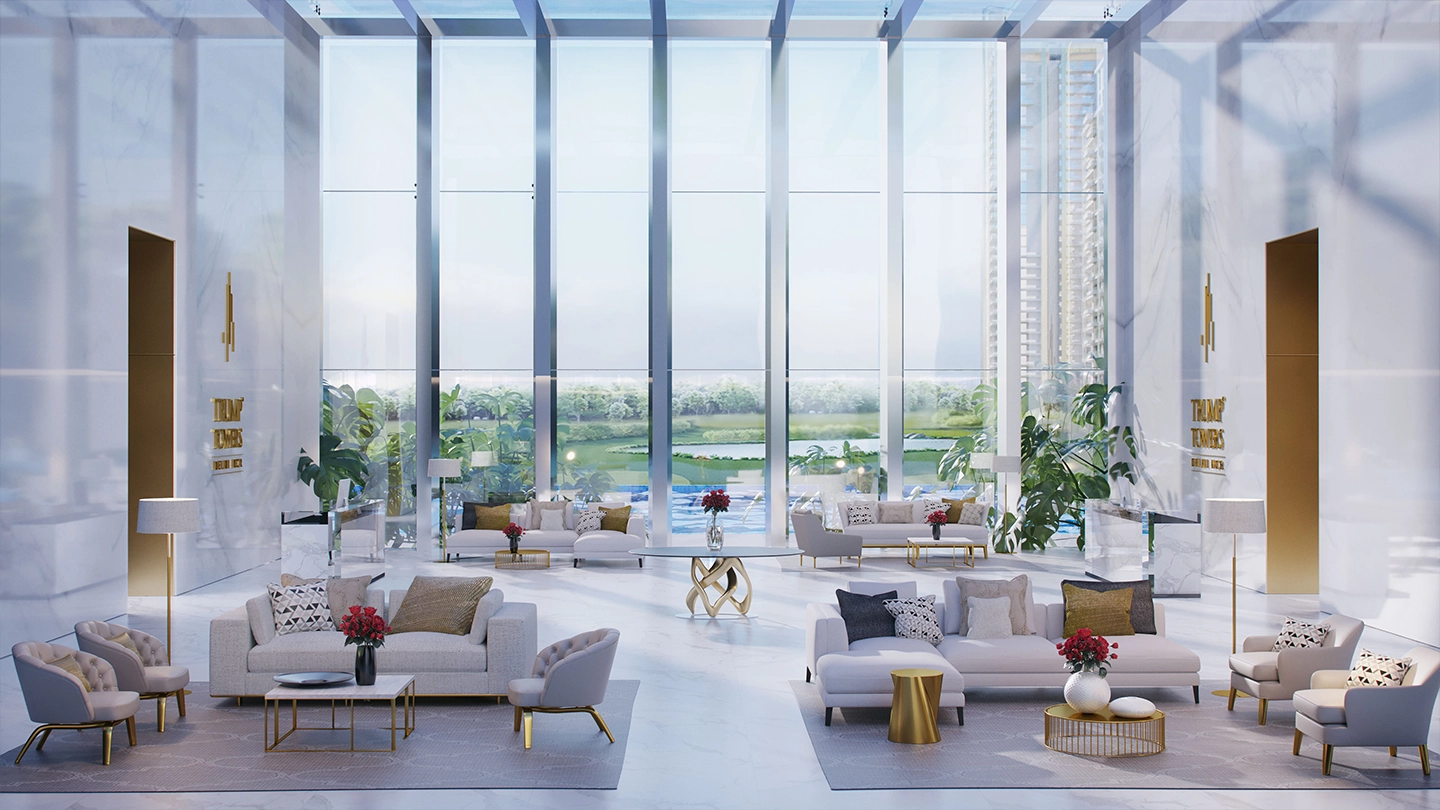
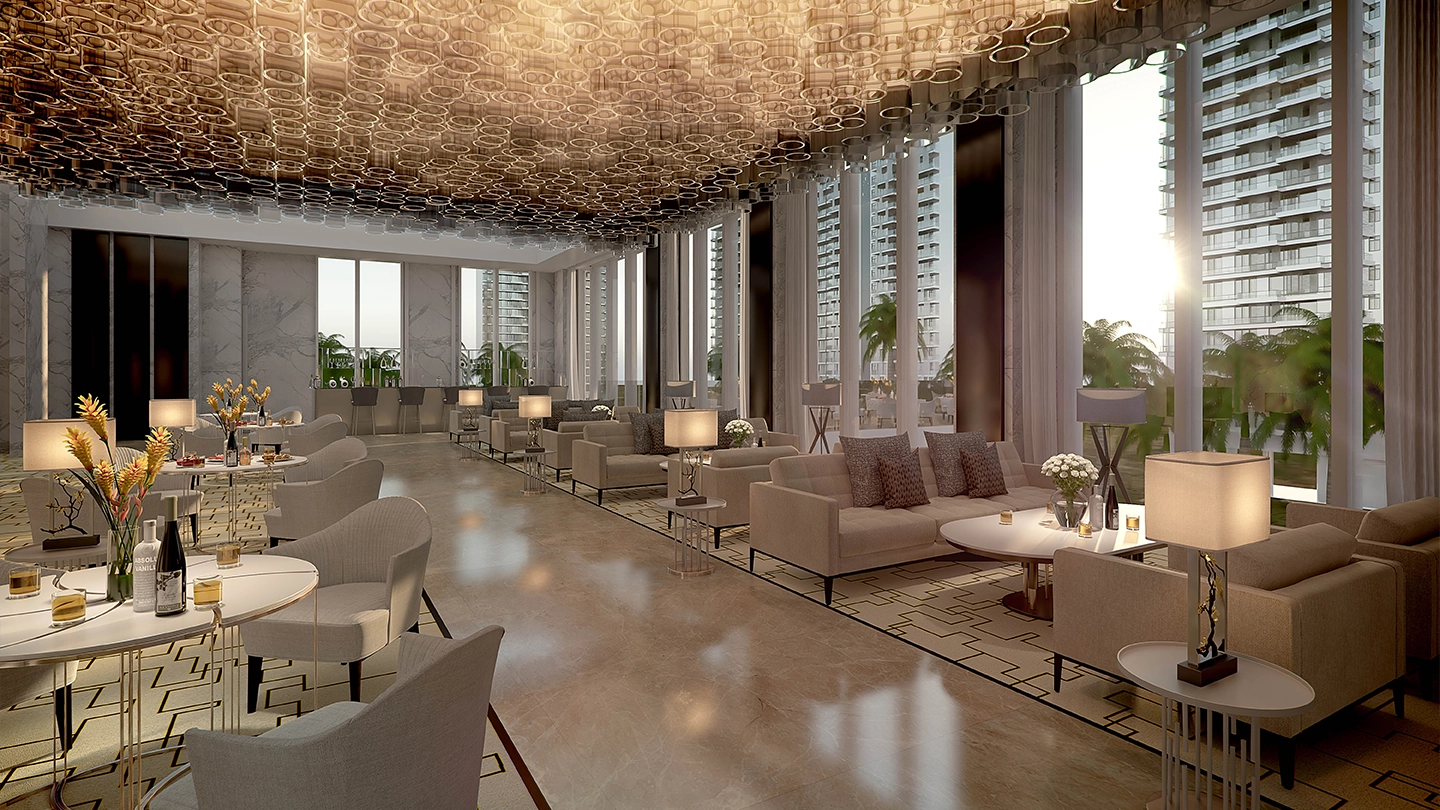
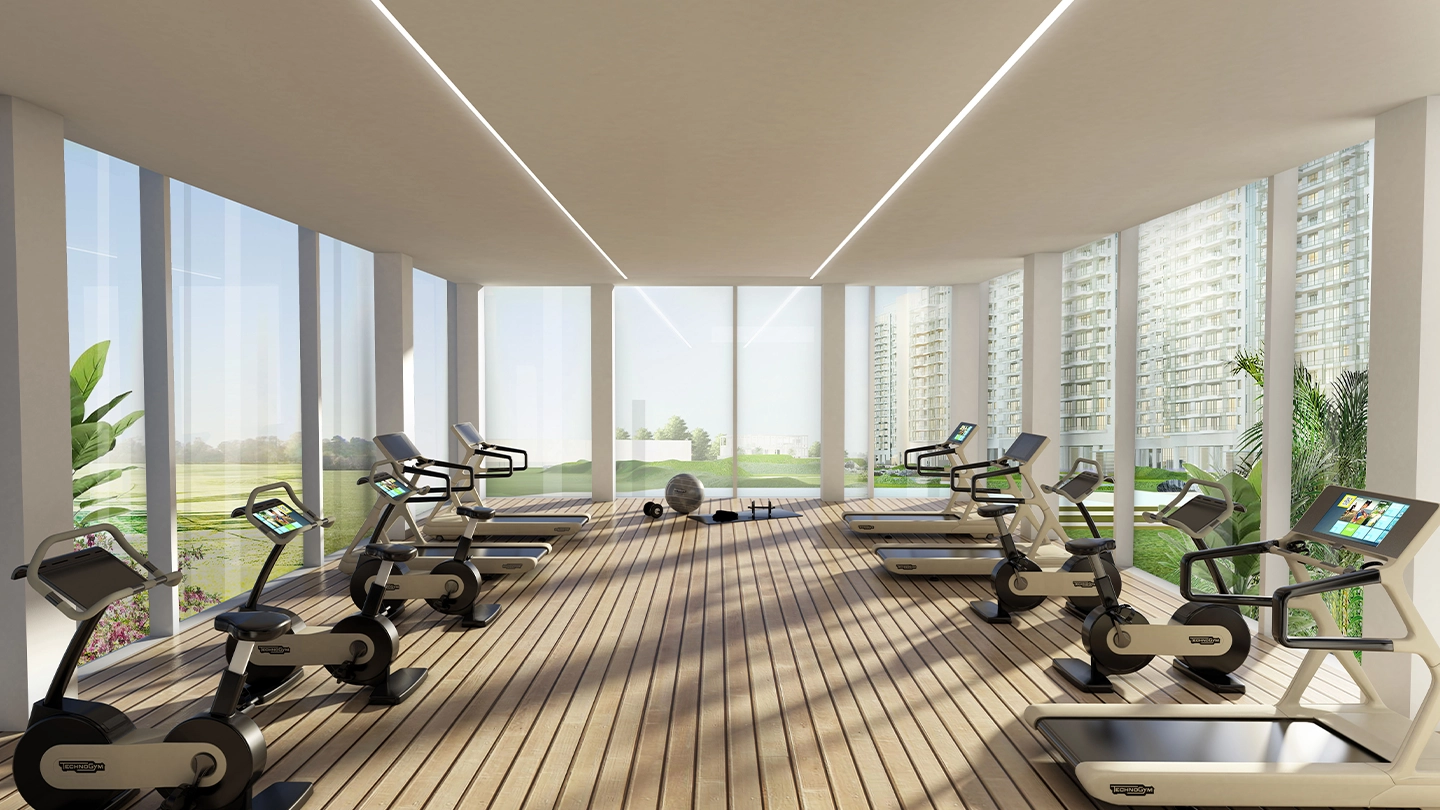
At ground level, a grand double-height lobby establishes a ceremonial arrival, while the podium consolidates lifestyle amenities into a premium club environment aligned with international luxury standards. The project ultimately demonstrates how a global residential archetype can be meaningfully translated through site-specific planning and a more nuanced understanding of Indian dwelling patterns.