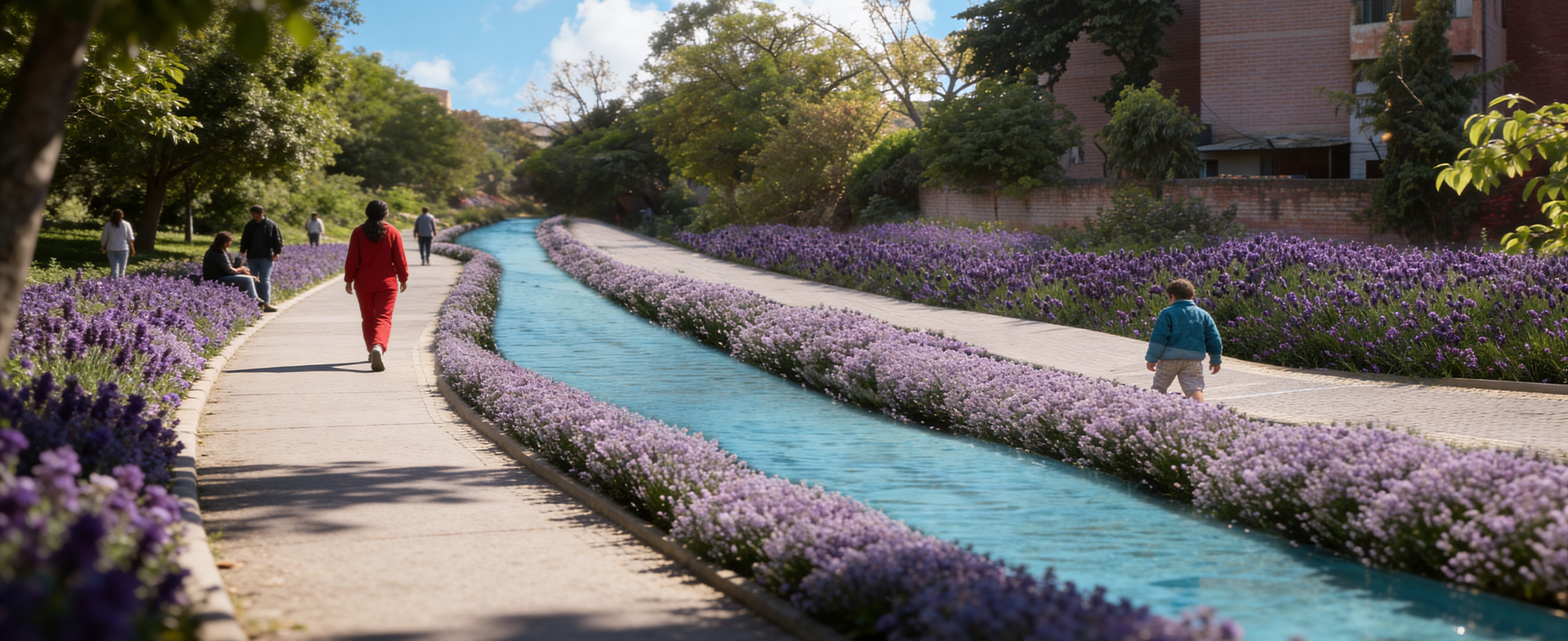
Delhi Nullah
New Delhi
Reclaiming 700-Year-Old Nullahs as Green Urban Lifelines
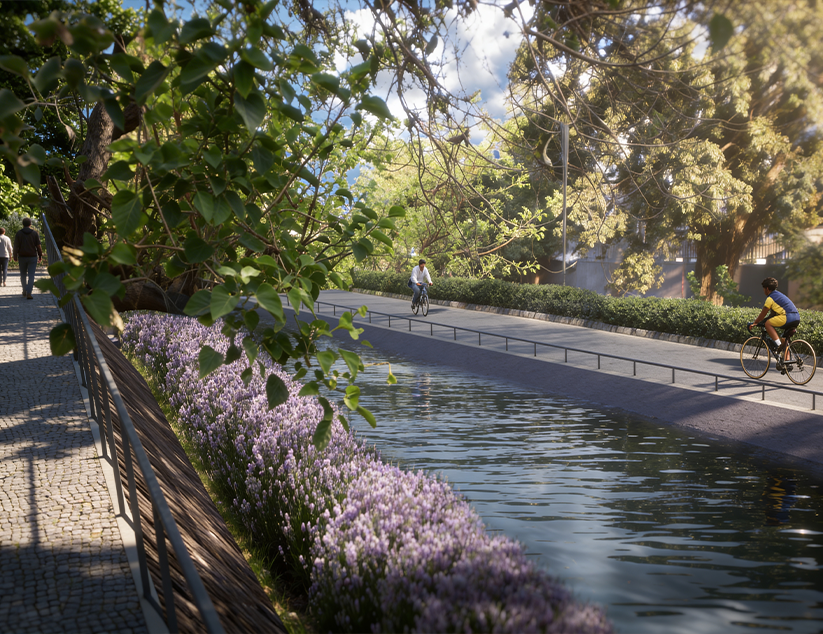
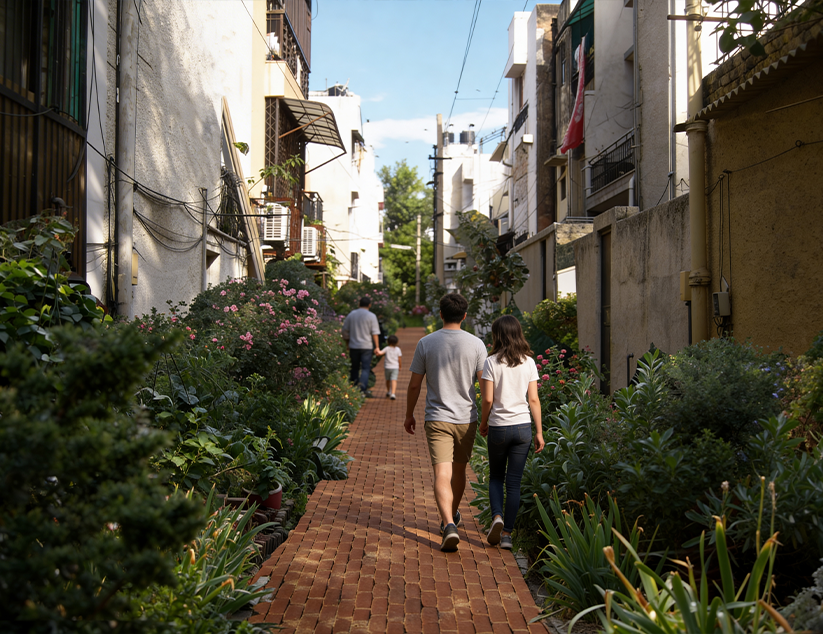
The Delhi Nullahs initiative seeks to reverse the loss of memory and place-making in India’s capital by reimagining the city’s neglected watercourses. Once built by the Tughlaq dynasty over 700 years ago to provide water to old Delhi, these 350 kilometres of interconnected nullahs, with 20,000 branches spanning 708 hectares, are today degraded drains, breeding disease and polluting the Yamuna River.
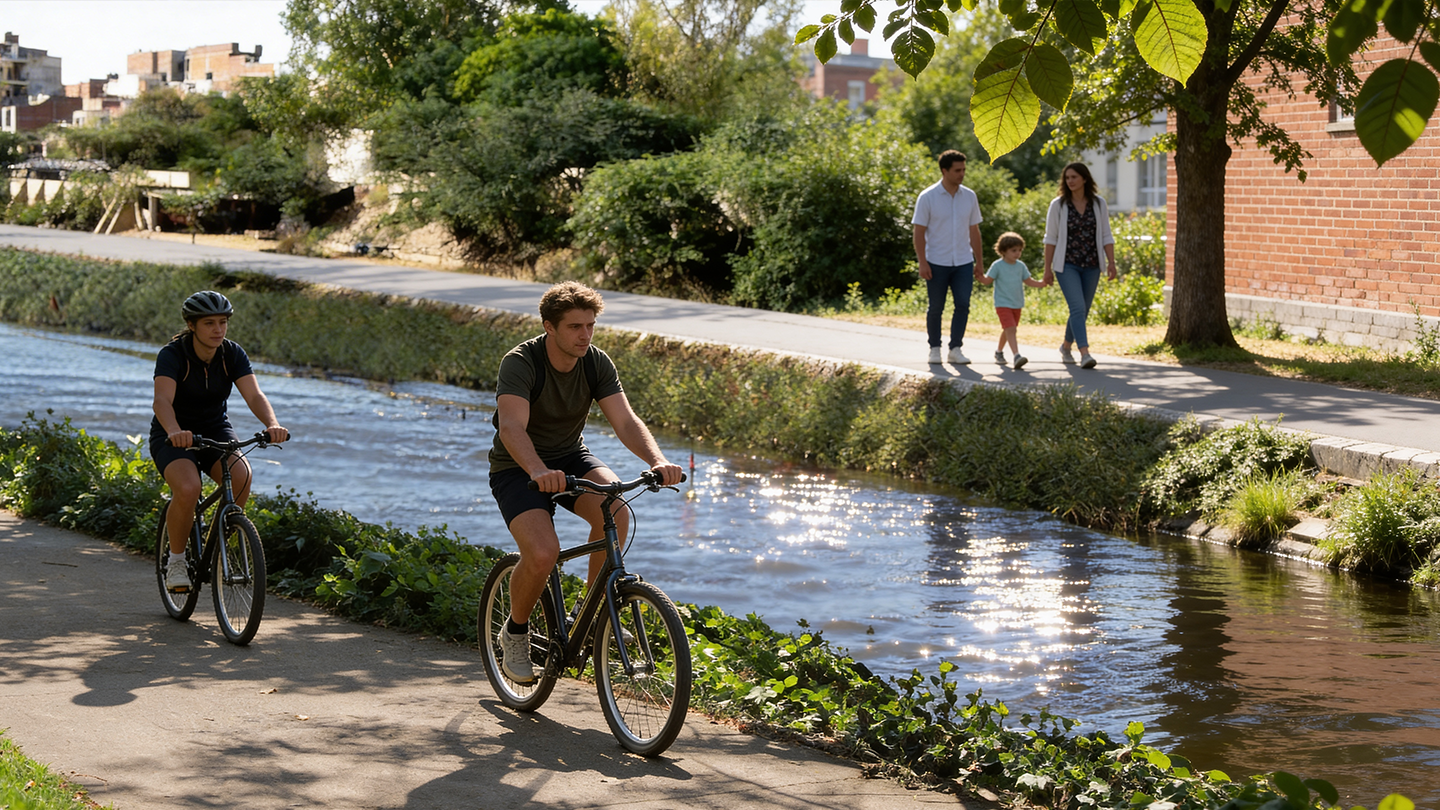
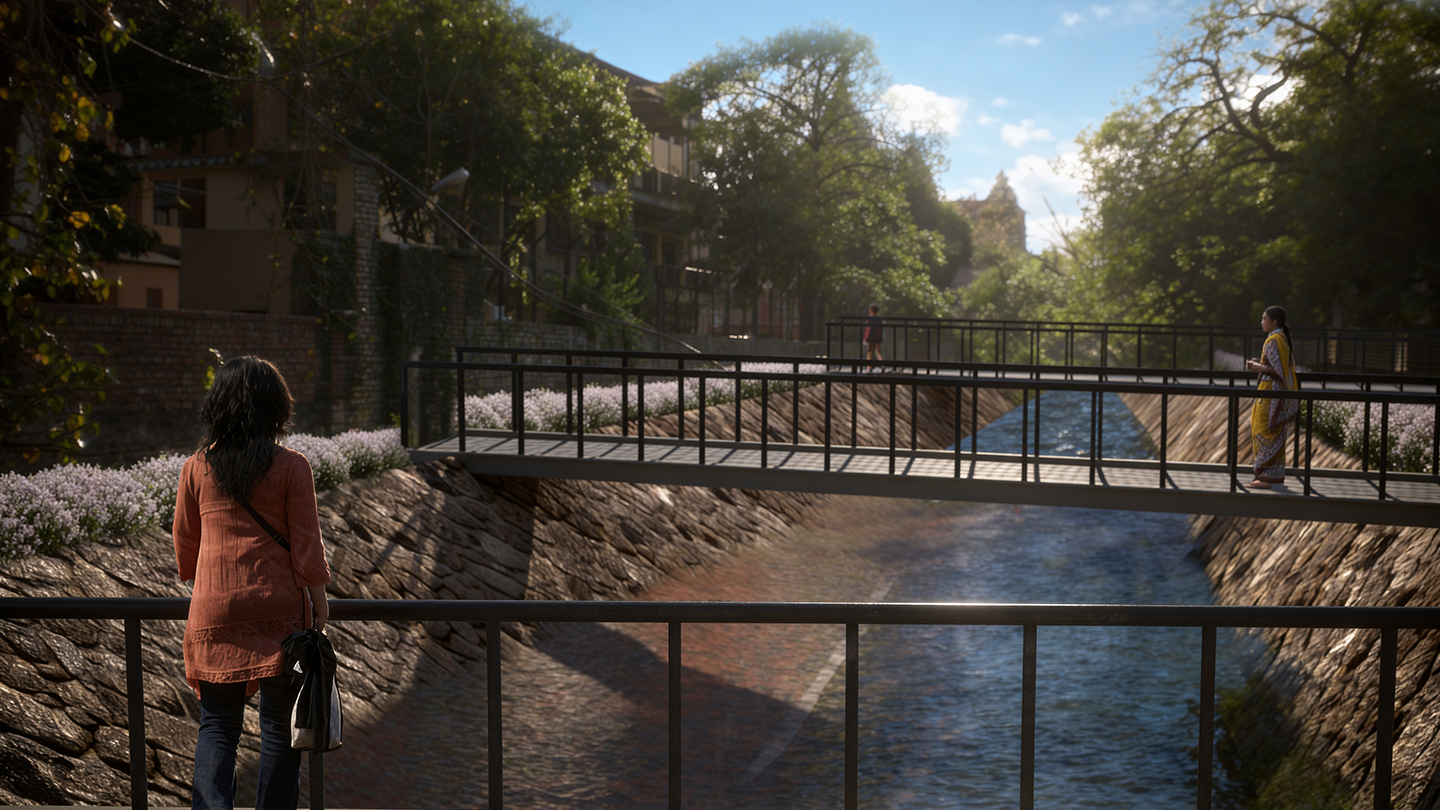
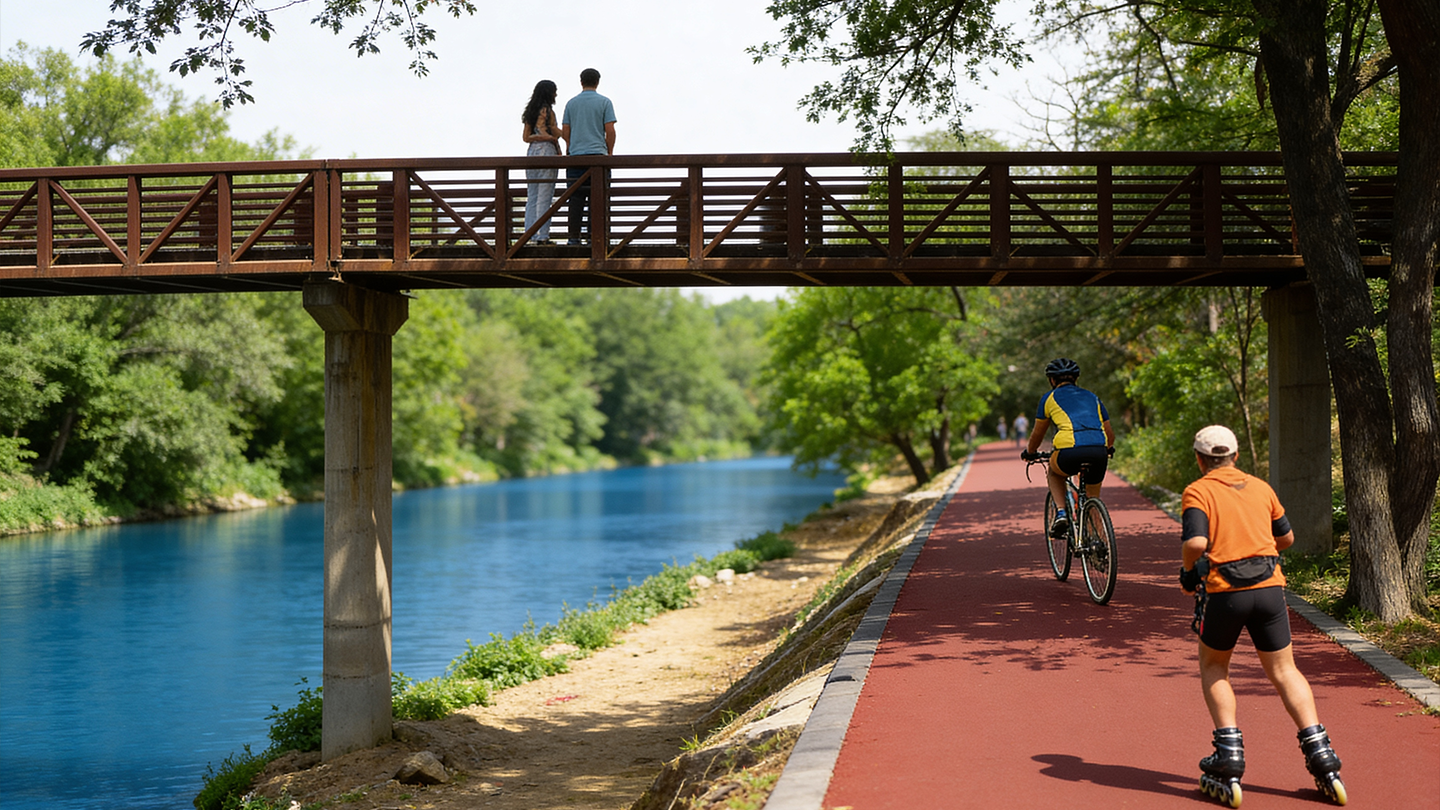
The project envisions a bold reversal: to transform this dense, contiguous network into a sustainable mobility and ecological system that reconnects citizens to their city. Walking and cycling paths along the nullahs would provide last-mile linkages to Delhi’s buses and metro, dramatically improving the reach of public transport. In doing so, the nullahs could become democratic urban corridors, enabling healthier, walkable, and more inclusive modes of movement.
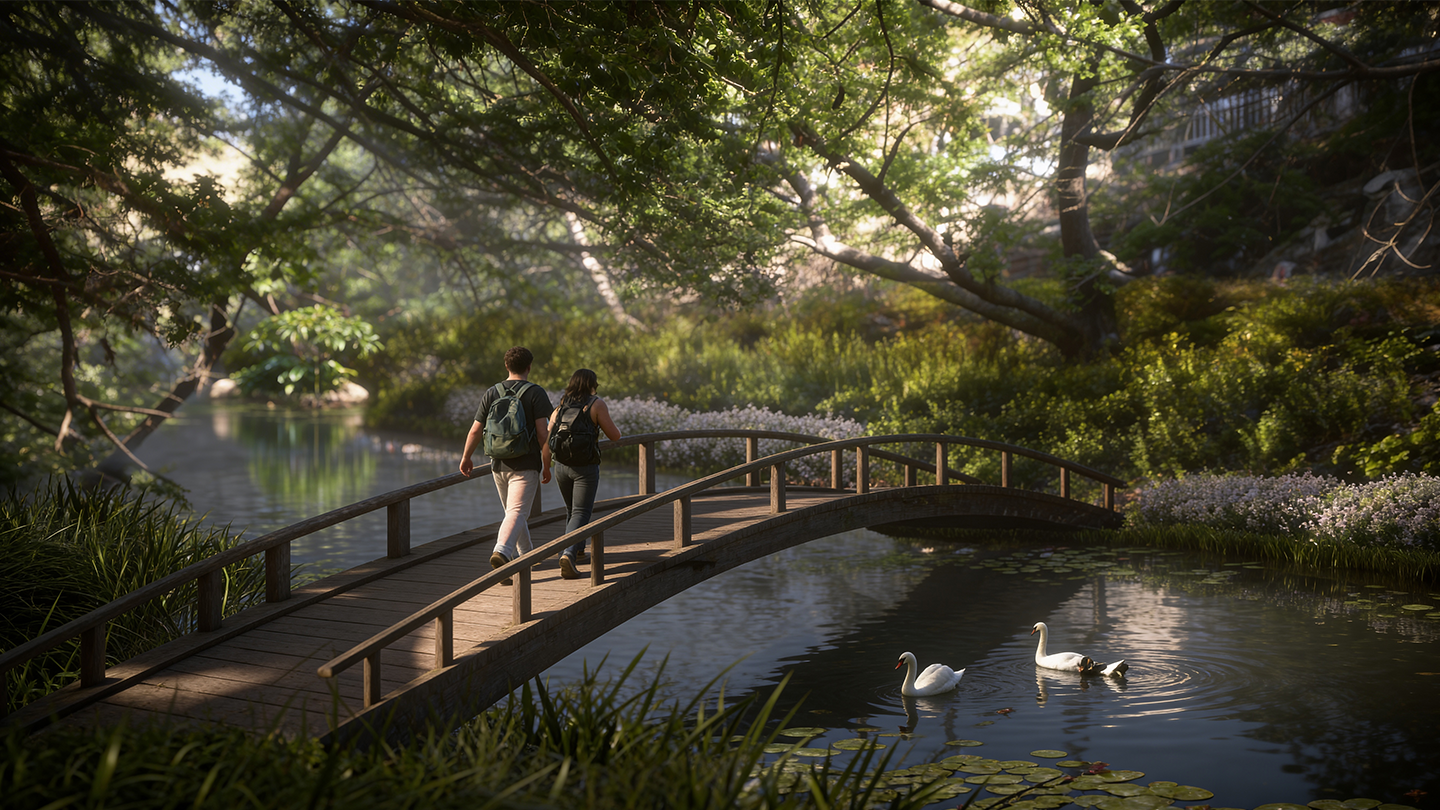
The design strategy integrates low-cost, nature-based solutions. Organic reed beds and aerators clean incoming sewage, while channeled waterways recharge aquifers and reduce pollution in the Yamuna. The restored nullahs also function as continuous green corridors, improving public health, lowering heat stress, and bringing nature back into the metropolis.
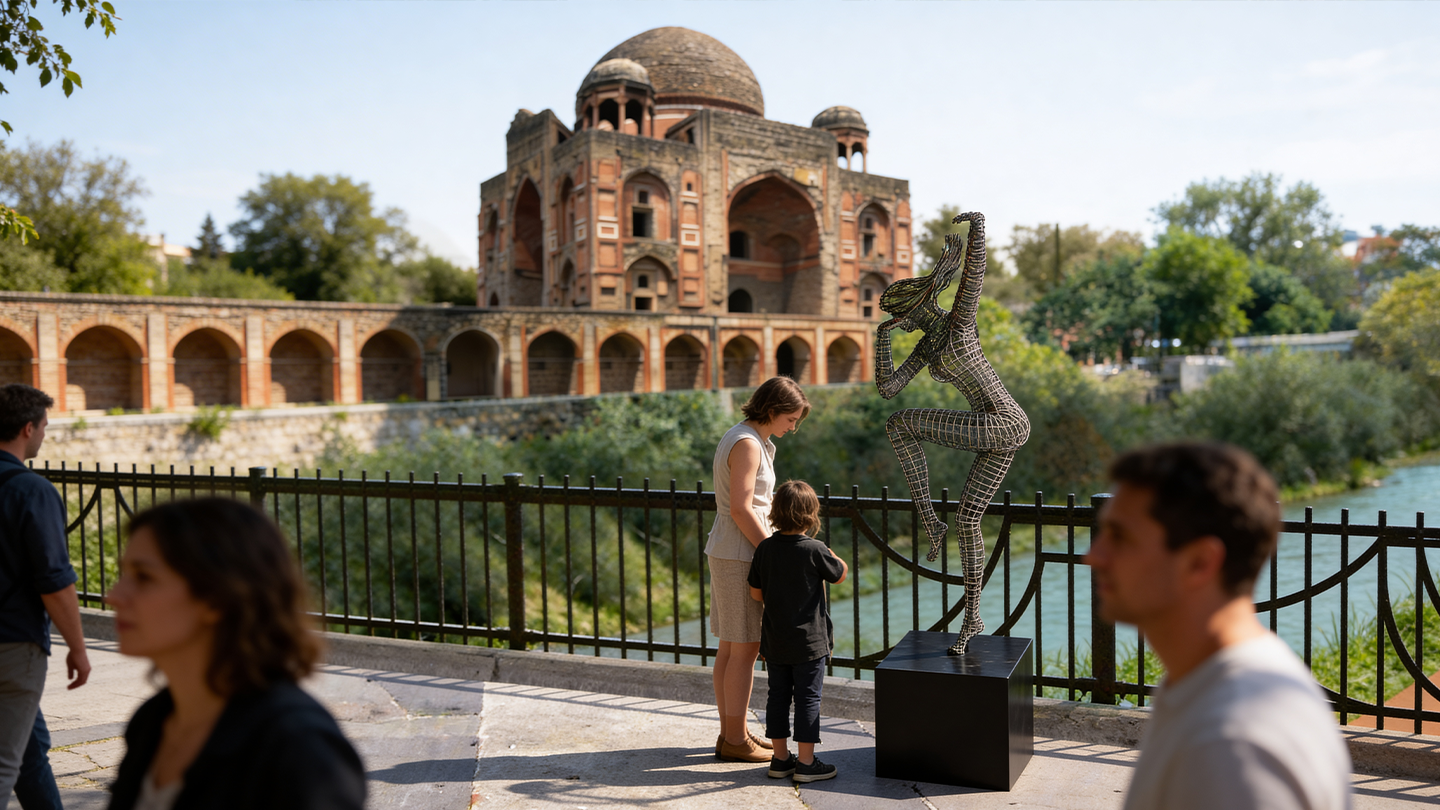
Beyond infrastructure, the initiative unlocks cultural and heritage potential. Many of Delhi’s iconic archaeological sites lie along the nullah network. Once rejuvenated, these waterways can serve as a heritage trail, linking museums, monuments, theatres, and stadiums into a non-motorized cultural web. They provide the framework for new forms of tourism, sports, and community engagement while reconnecting residents with the city’s layered history.
The Delhi Nullahs project demonstrates how urban design can turn an environmental liability into a civic asset. By prioritizing ecology, mobility, and heritage over automobiles, the initiative proposes a radical new interface for Delhi, one that can transform drains into lifelines and reorient the city towards a more sustainable, democratic future.