Educomp Raffles
Noida
- Site Area: 44.2 acres
- Built Up: 25,00,000 sq. ft.
A campus that reworks the grammar of the Indian city into a contemporary place of learning
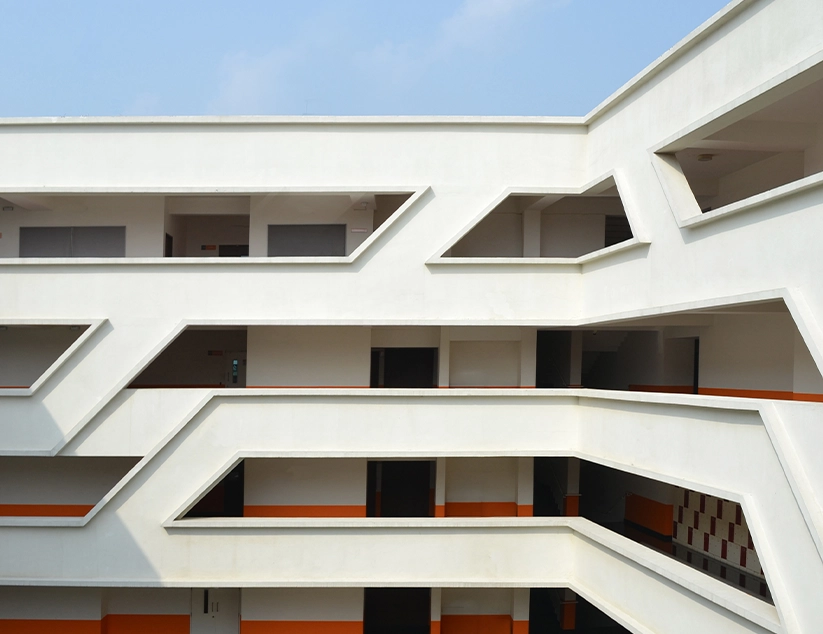
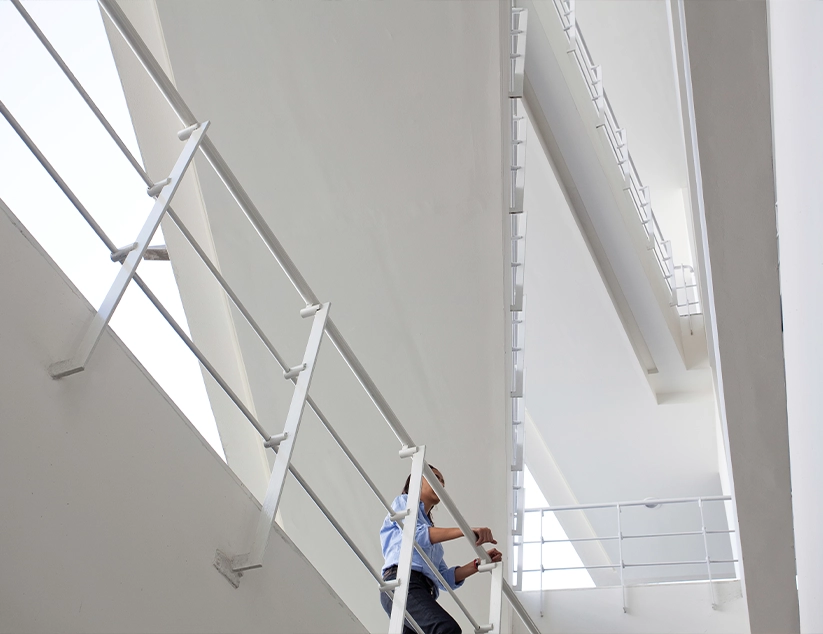
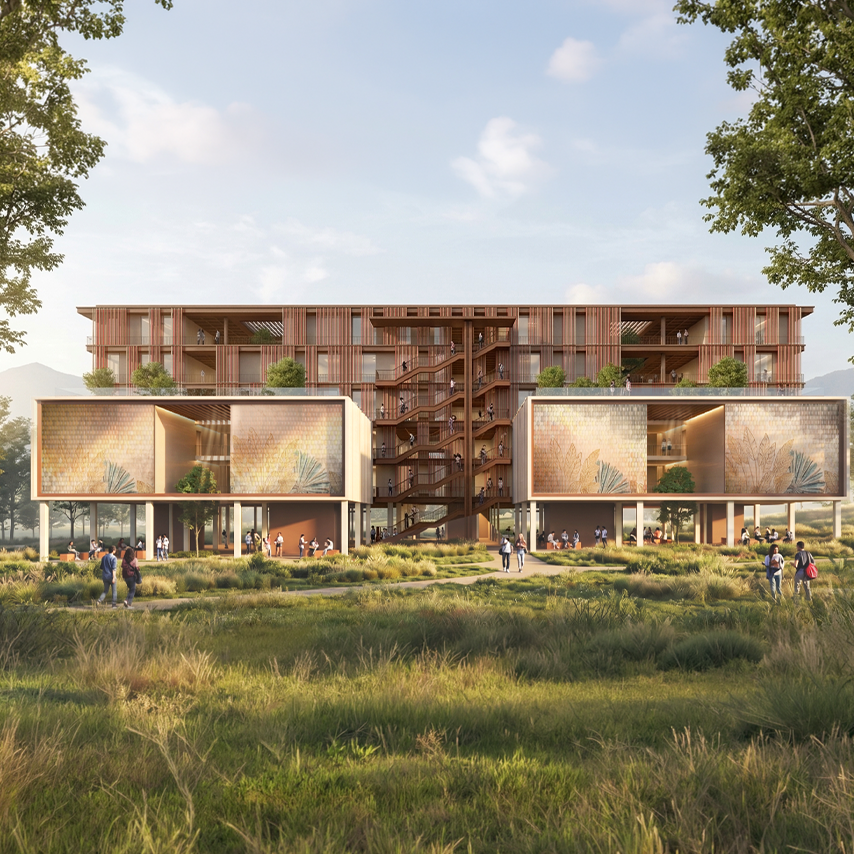
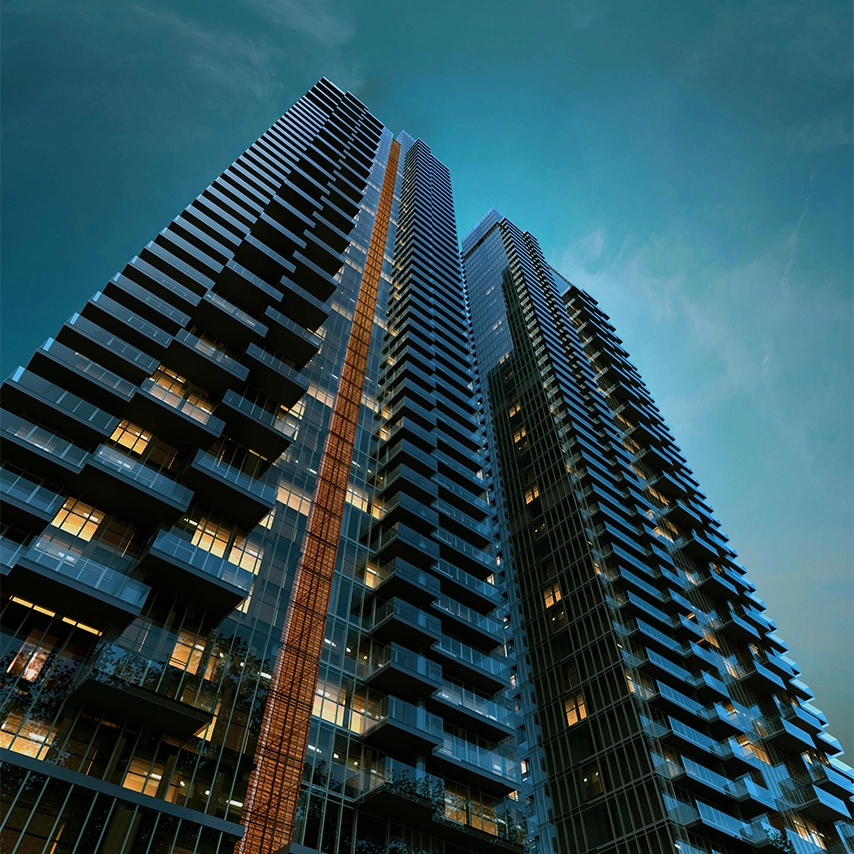
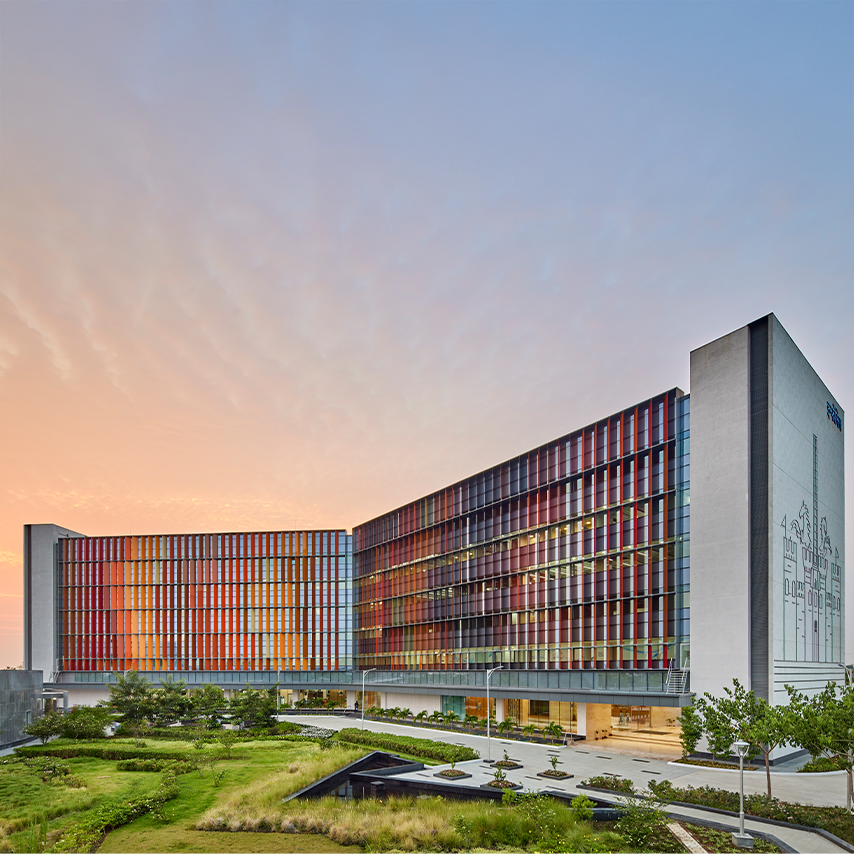
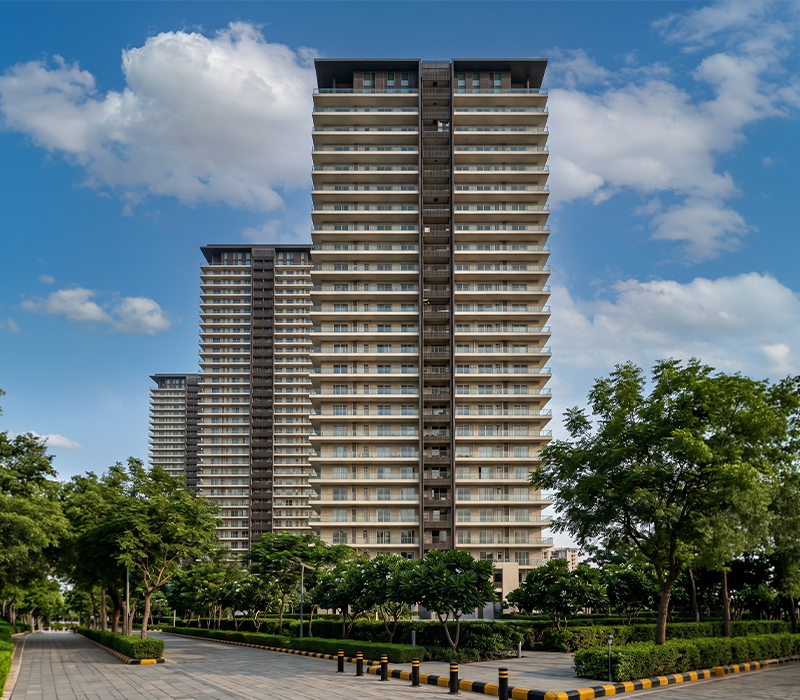
At Greater Noida, Educomp Raffles was conceived as an institutional campus with the logic of a mini urban settlement rather than the familiar sprawl of the Indian university. The ambition was to move away from isolated academic blocks dispersed across open land, a model that often produces unfamiliar scale, weak adjacencies, and an overdependence on vehicular movement. In its place, the master plan proposes a denser and more socially legible environment, one where learning, living, recreation, and collective life are brought into closer conversation through a fabric of streets, courtyards, and shaded thresholds. The larger site strategy is organised through phased growth, with academic, hostel, sports, convention, and common facilities distributed across a 44-acre campus and calibrated for incremental expansion over time.
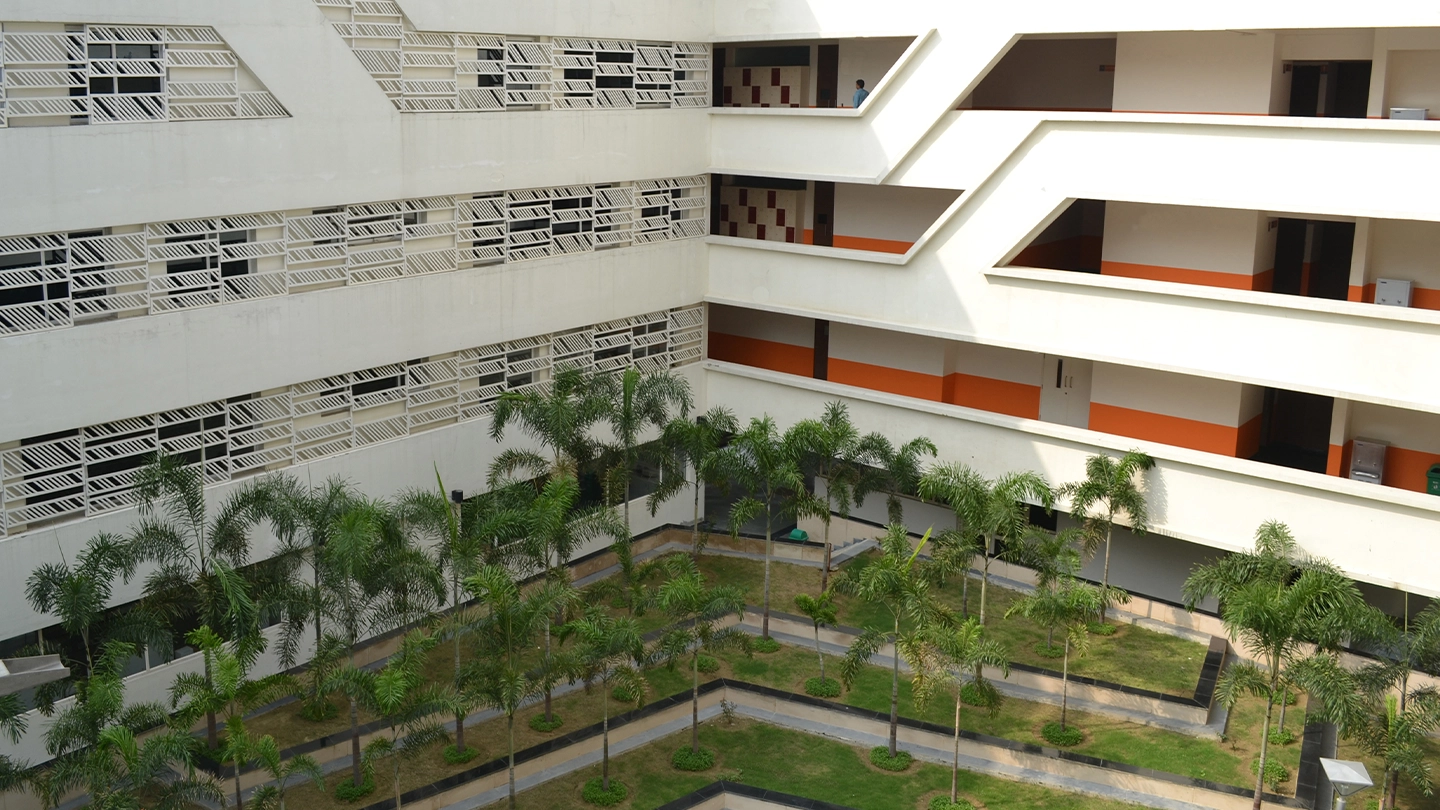
The spatial imagination of the project draws consciously from the compact street networks and climatically moderated urbanism of older Indian settlements, including the tightly scaled public realm associated with Old Delhi. This is not a literal formal borrowing, but a way of thinking about density, movement, and comfort. Streets are rotated towards more favourable solar orientation, adjusted to prevailing summer winds, and used to funnel breezes through the campus. Blocks are fractured to admit daylight and improve access, while the overlay of public academic zones, semi-public commons, and more private residential precincts becomes a primary ordering device.
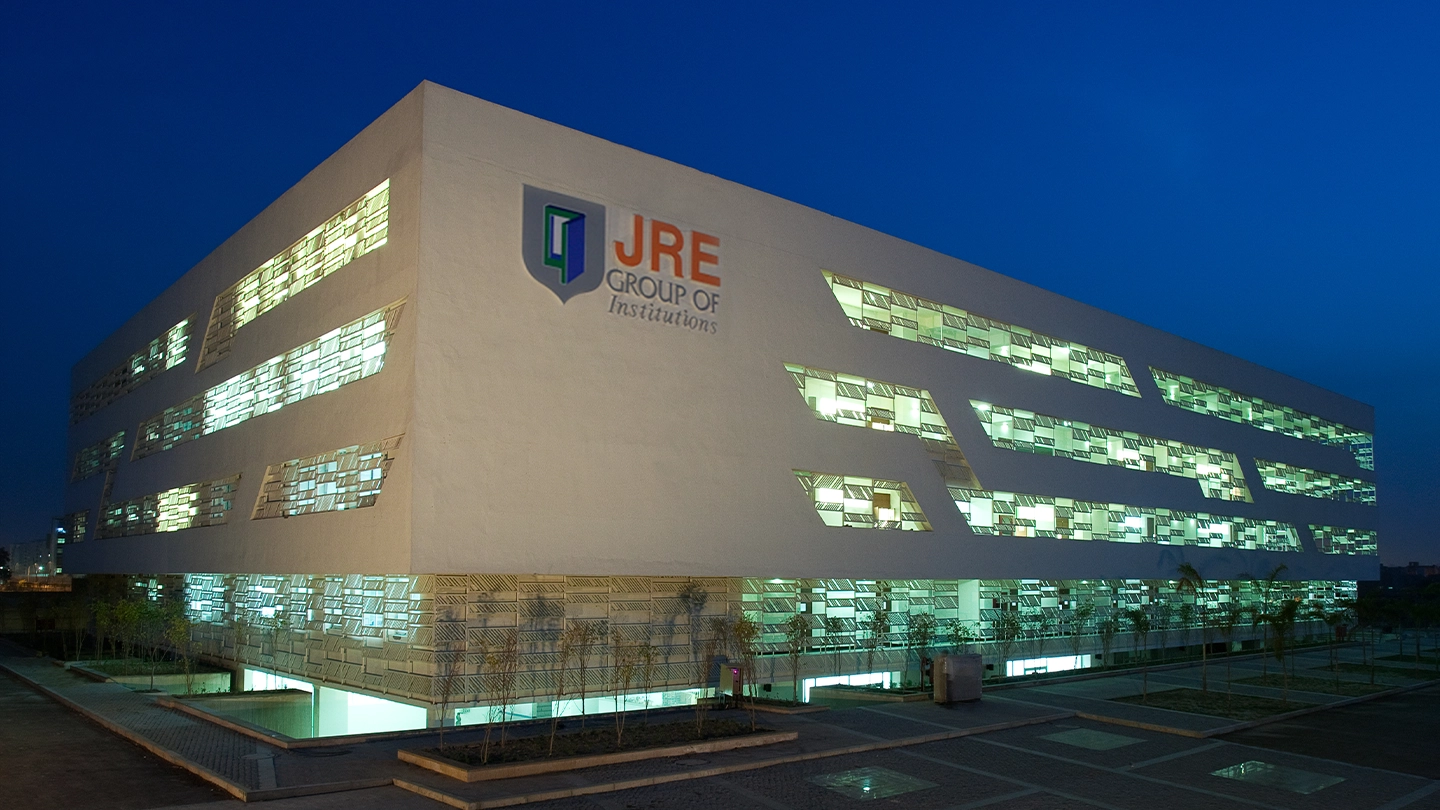
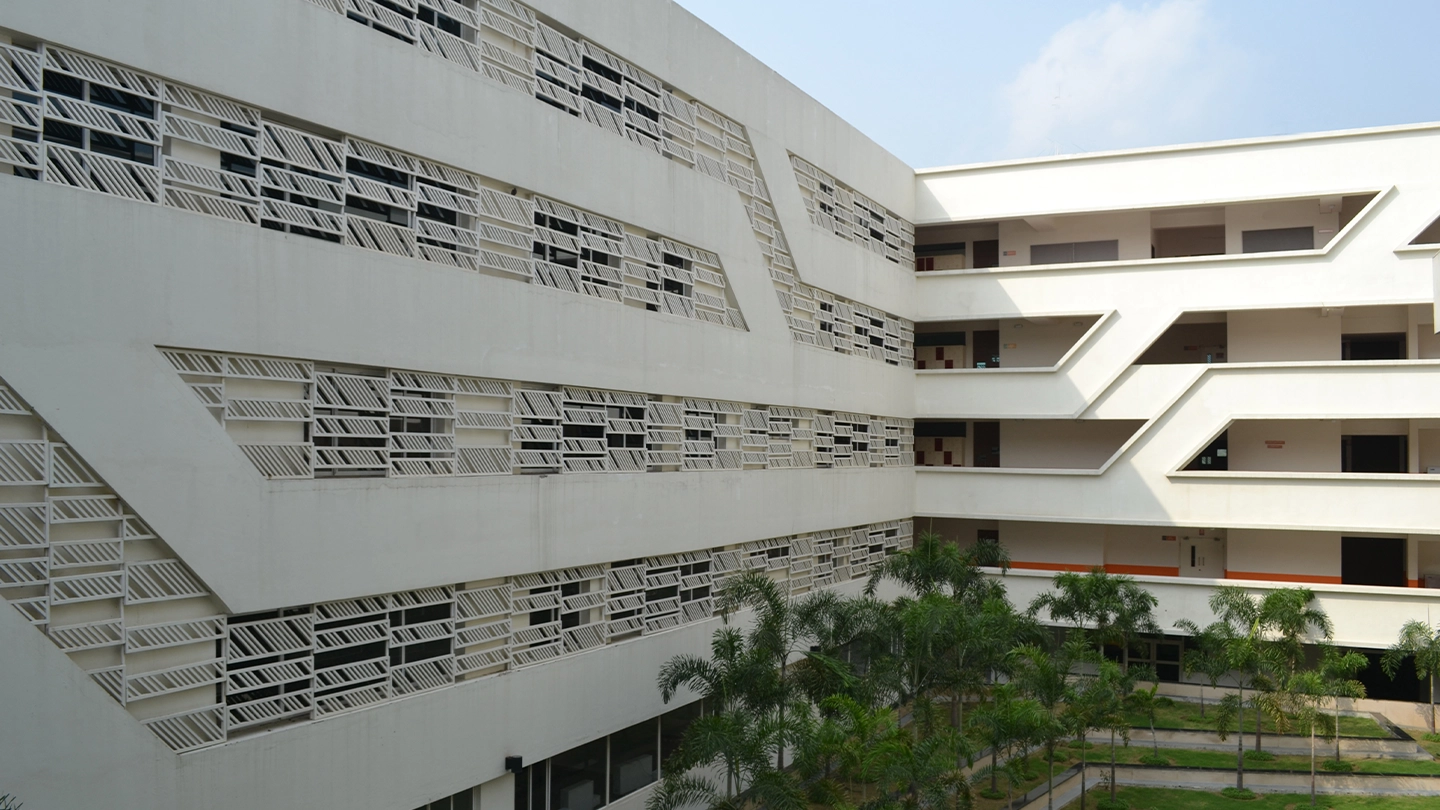
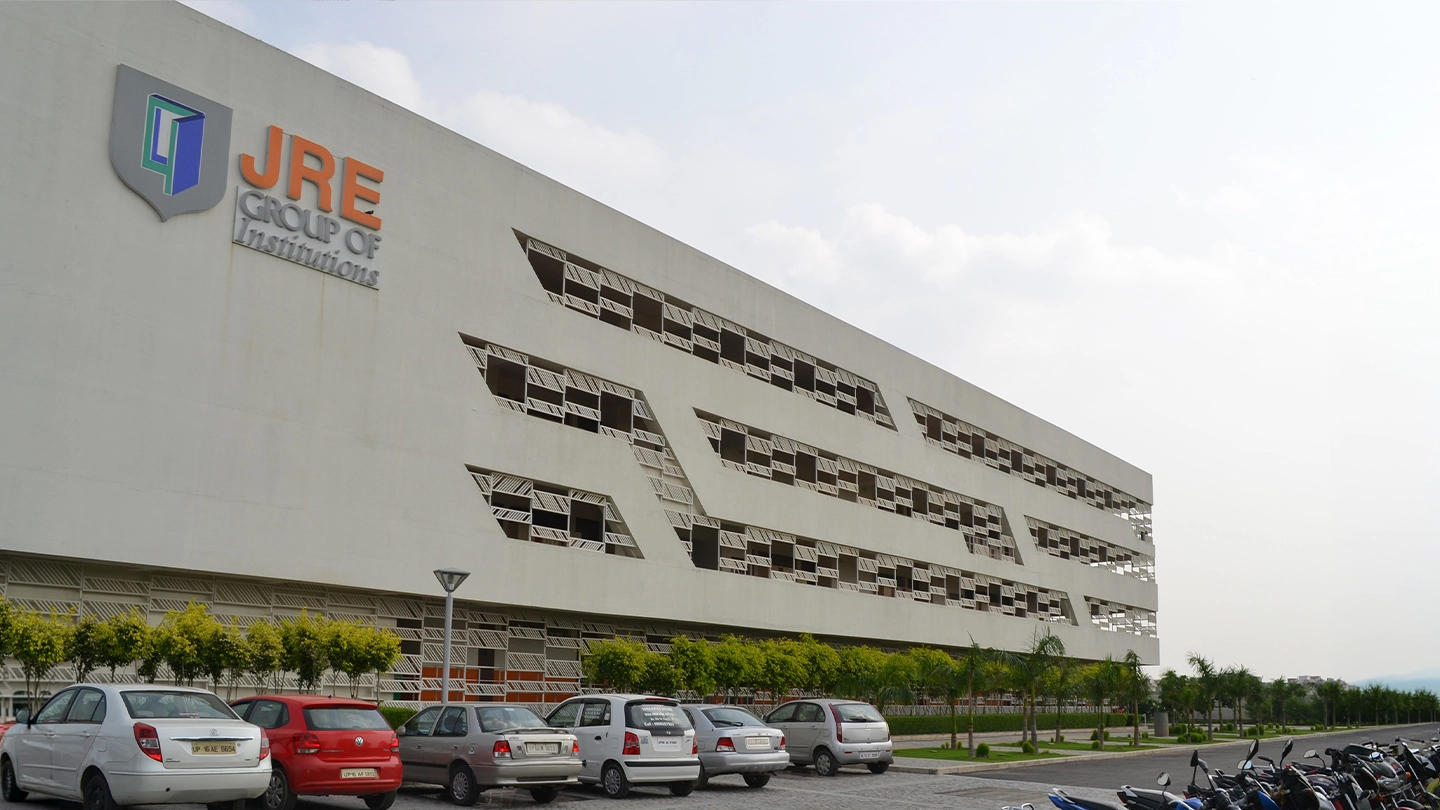
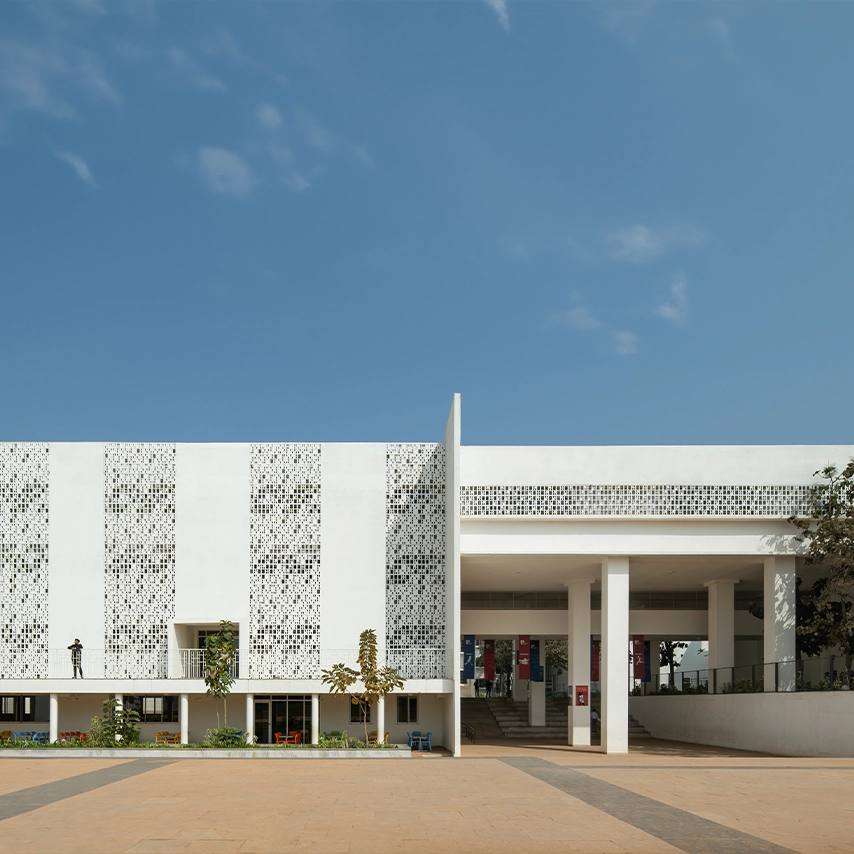
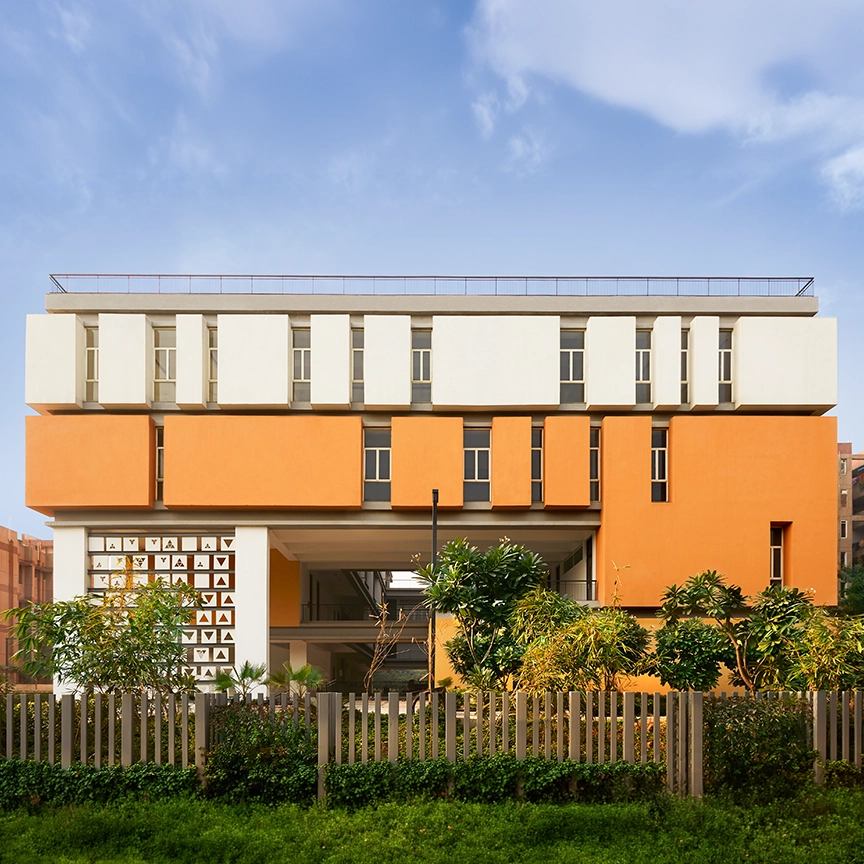
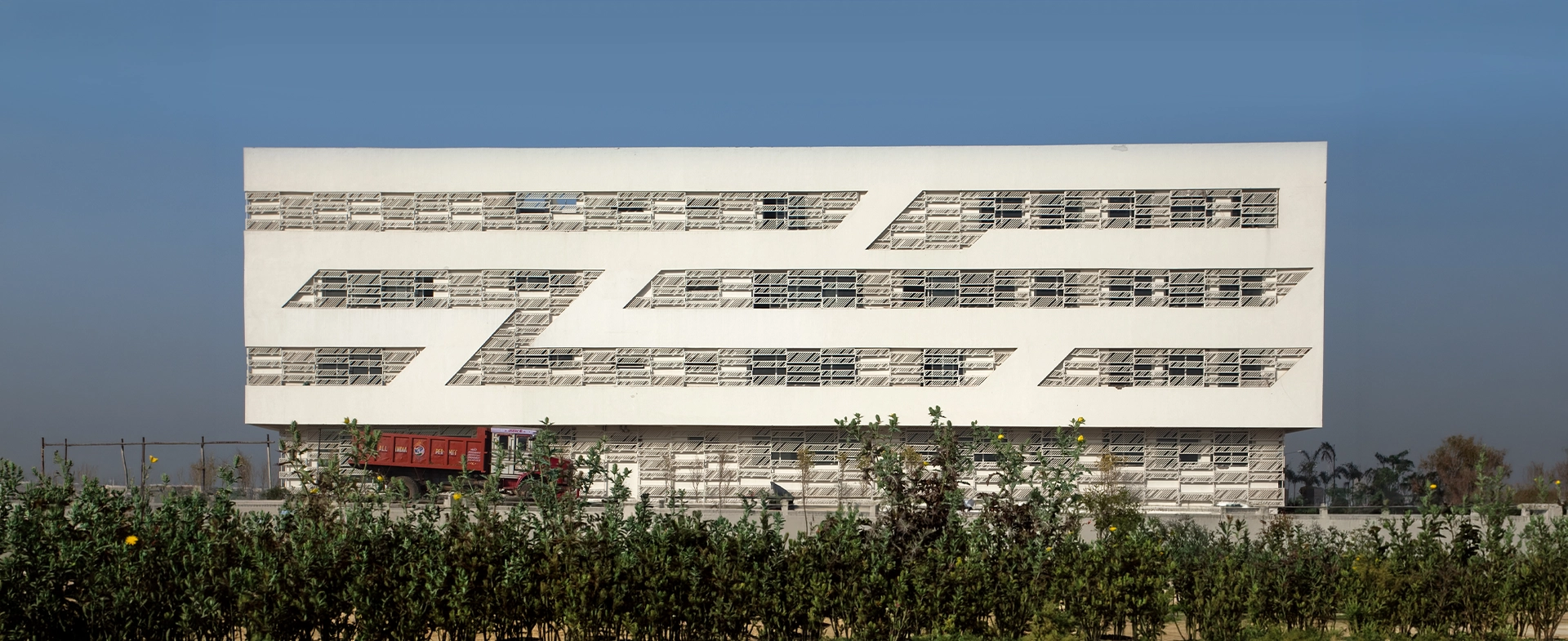
Environmental performance is embedded in this urban logic. Jaali screens temper solar exposure along sun-facing façades and corridors, courtyards are used for evaporative cooling and cross ventilation, and recessed underbellies create shaded outdoor recreational areas that remain cooler through the summer. Double walls with cavities increase thermal mass, while water bodies, vegetation, and rainwater recovery are integrated into the broader landscape strategy. The deck’s calculations indicate that rainwater harvesting and sewage treatment together could meet more than the campus’s annual water demand, reinforcing the project’s ambition to make climate responsiveness inseparable from architectural form.