A Bandra address that combines urban intensity with a more refined choreography of use
Scroll Down
City Centre
Siliguri
- Site Area: 10 acres
- Built Up: 11,86,000 sq. ft.
A market street reimagined as the civic hinge between township and town
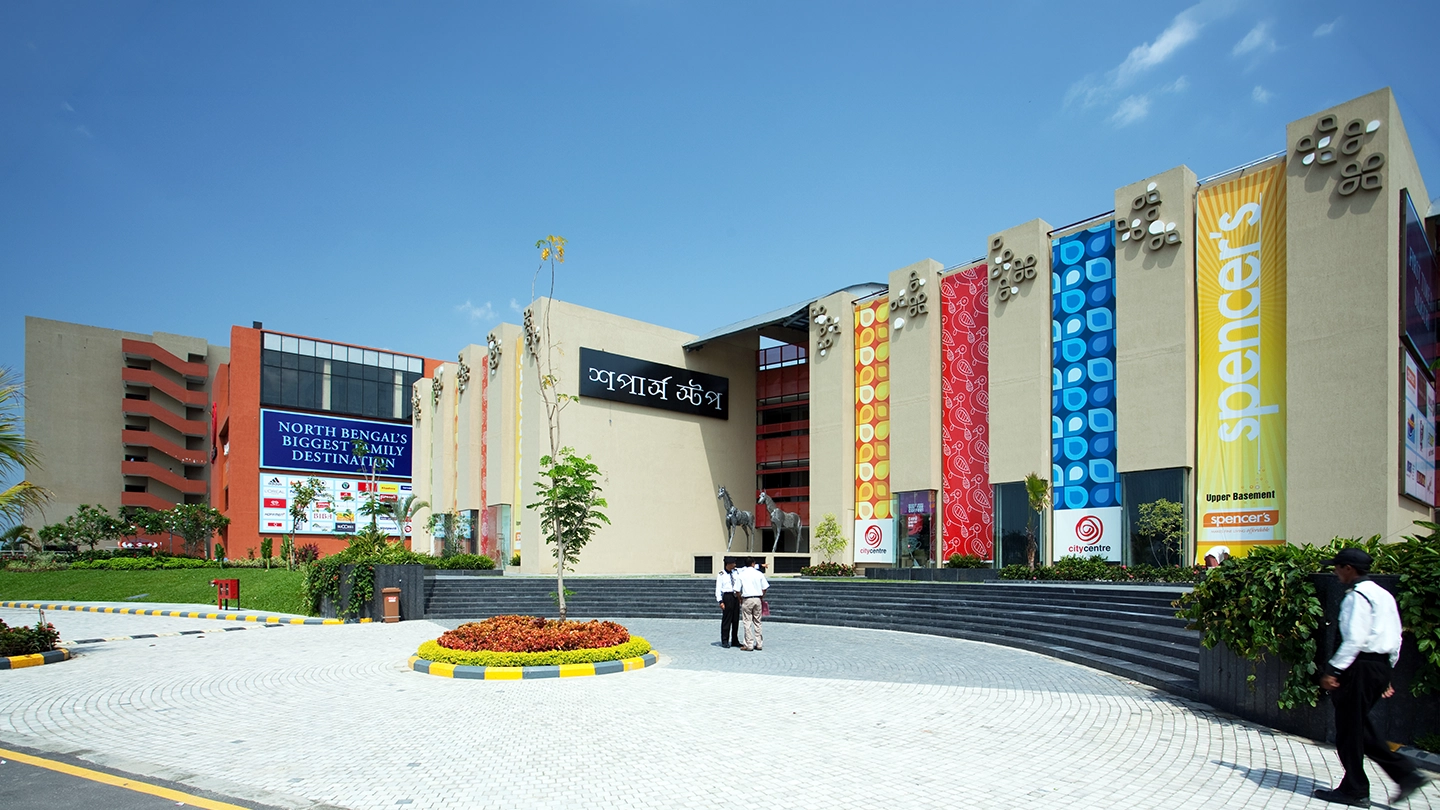
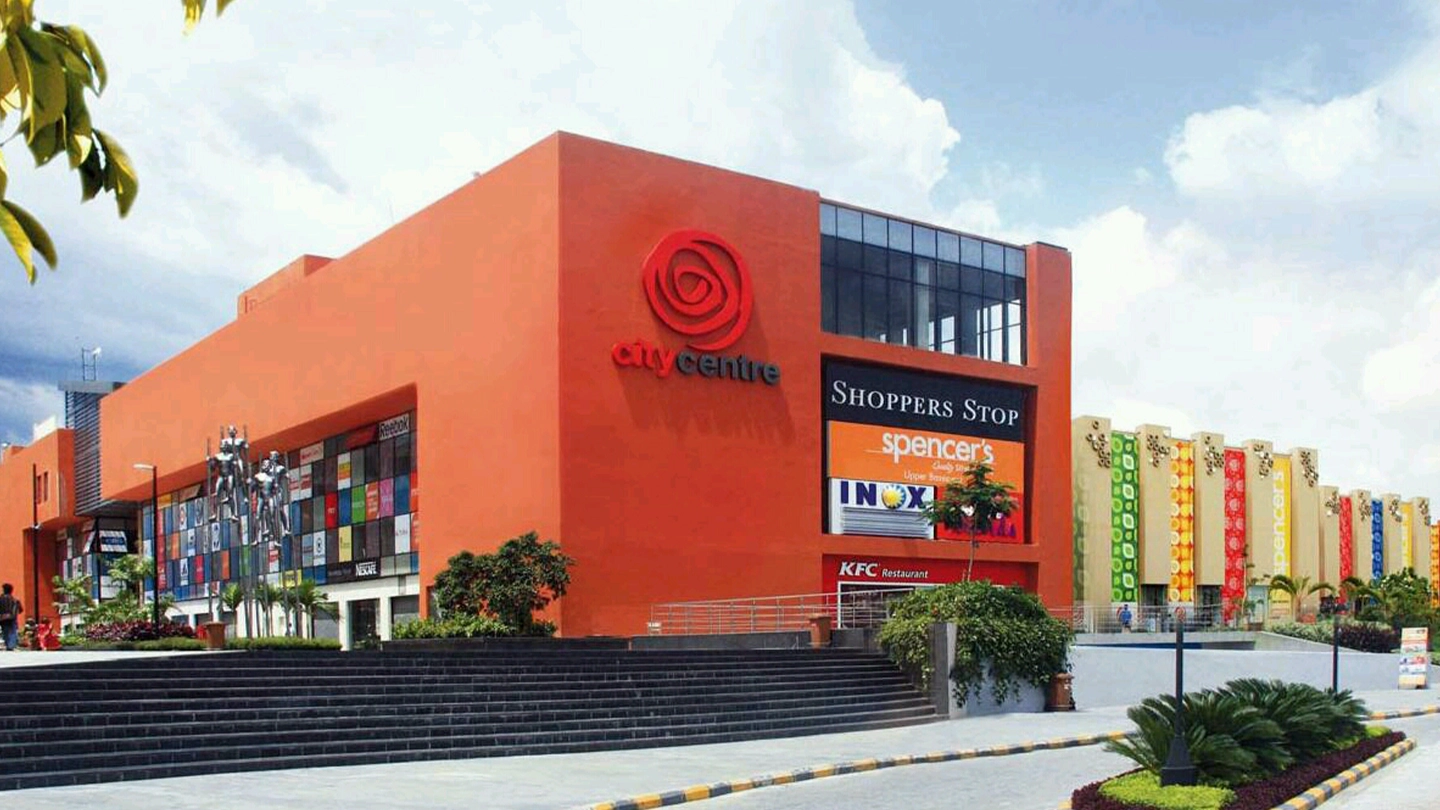
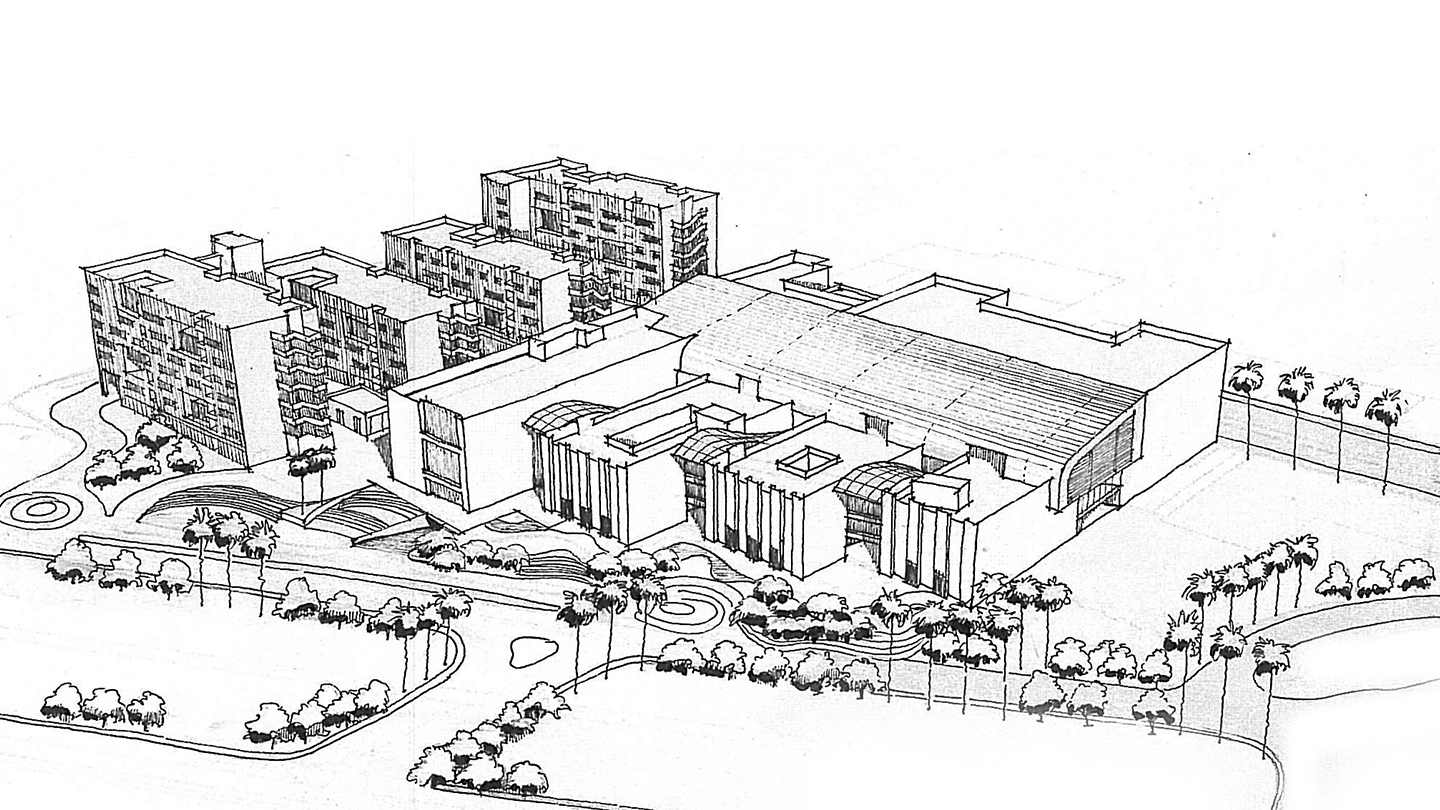
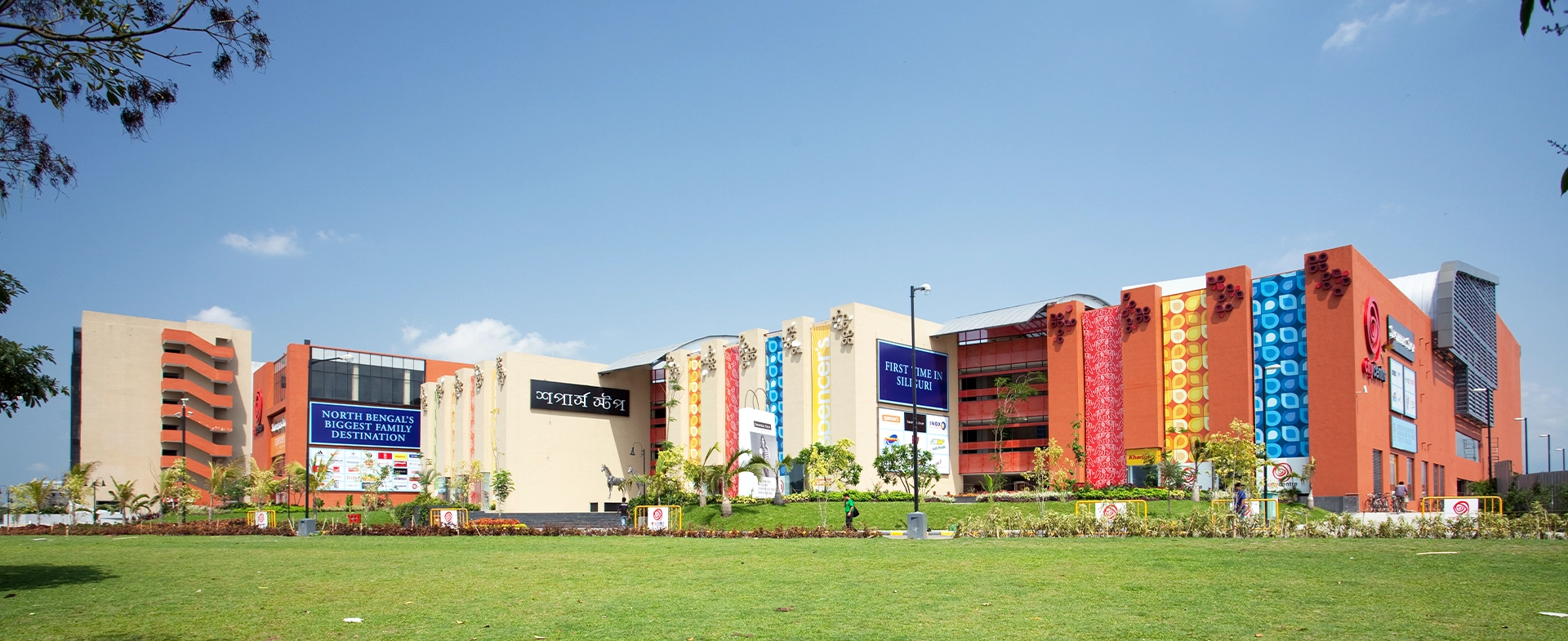
Set at the entrance to Uttorayon in Siliguri, City Centre was conceived not simply as a shopping complex, but as the urban interface between a new township and the existing town. In a city poised between transit hub and emerging business centre, the project sought to provide something then largely absent from the tier-two Indian condition: an organised public destination where commerce, leisure, and collective life could unfold with clarity and ease.
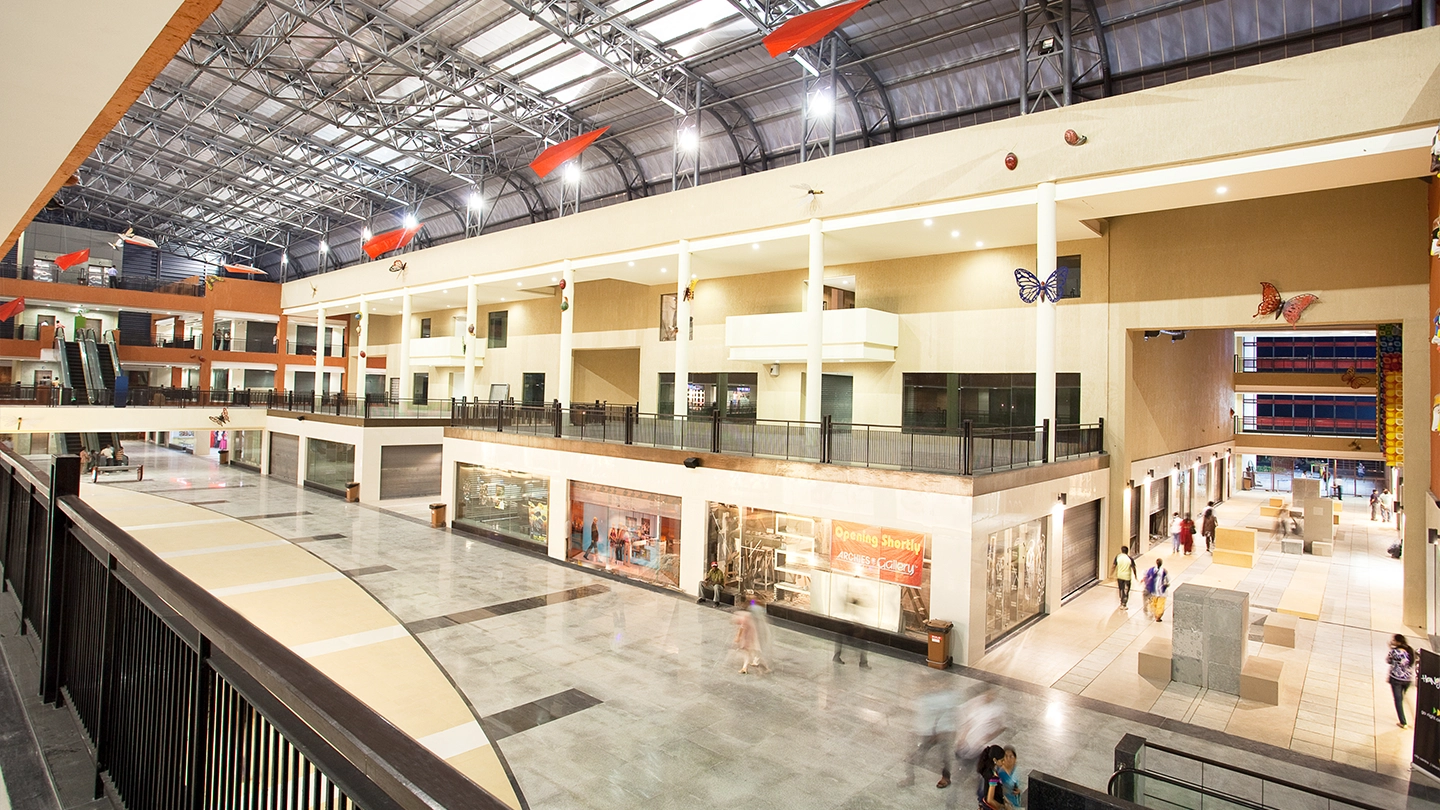
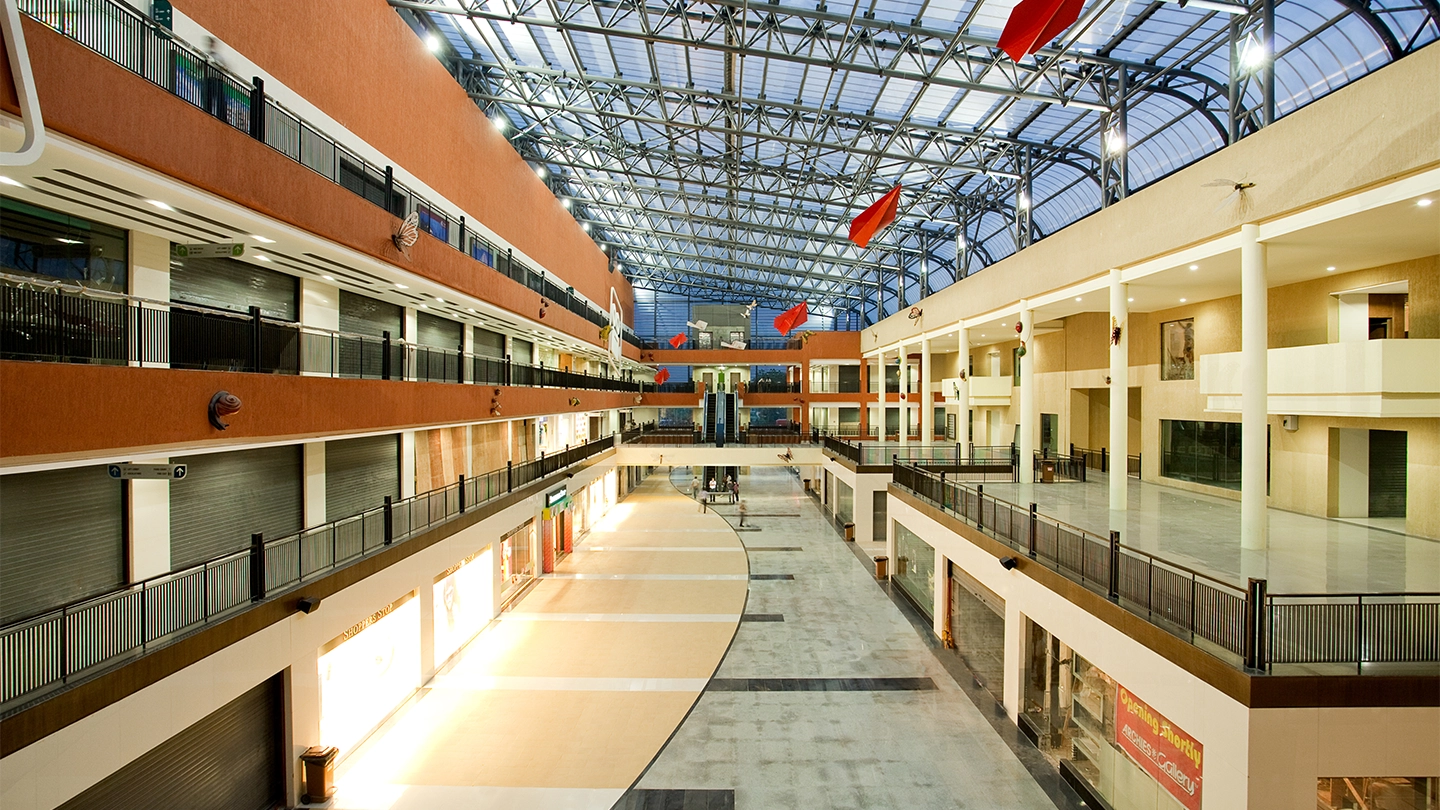
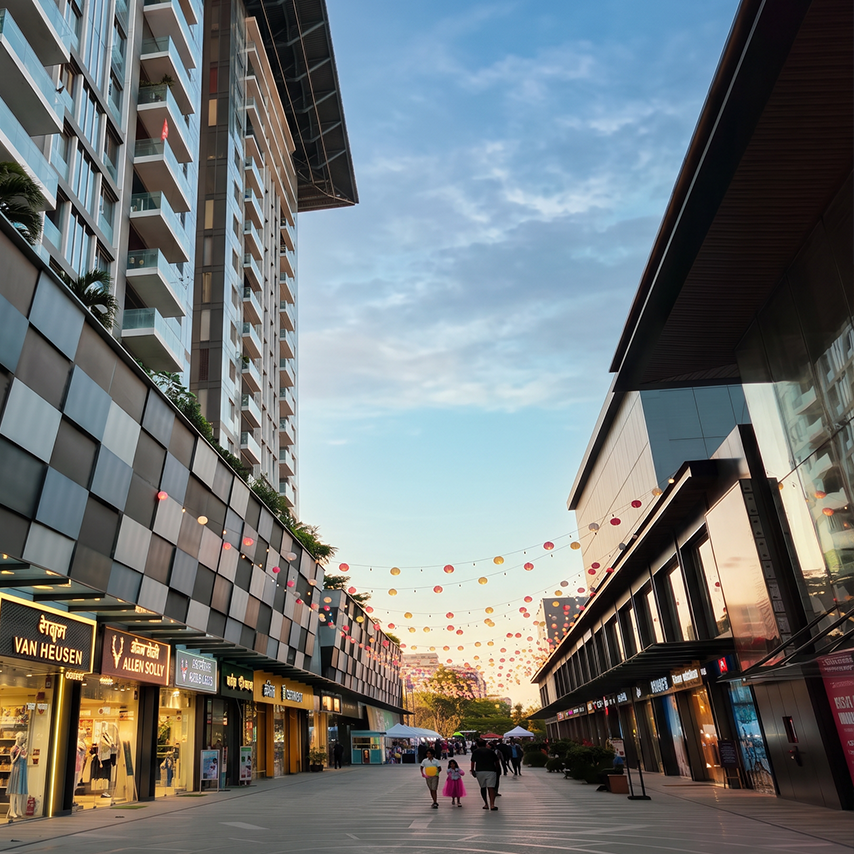
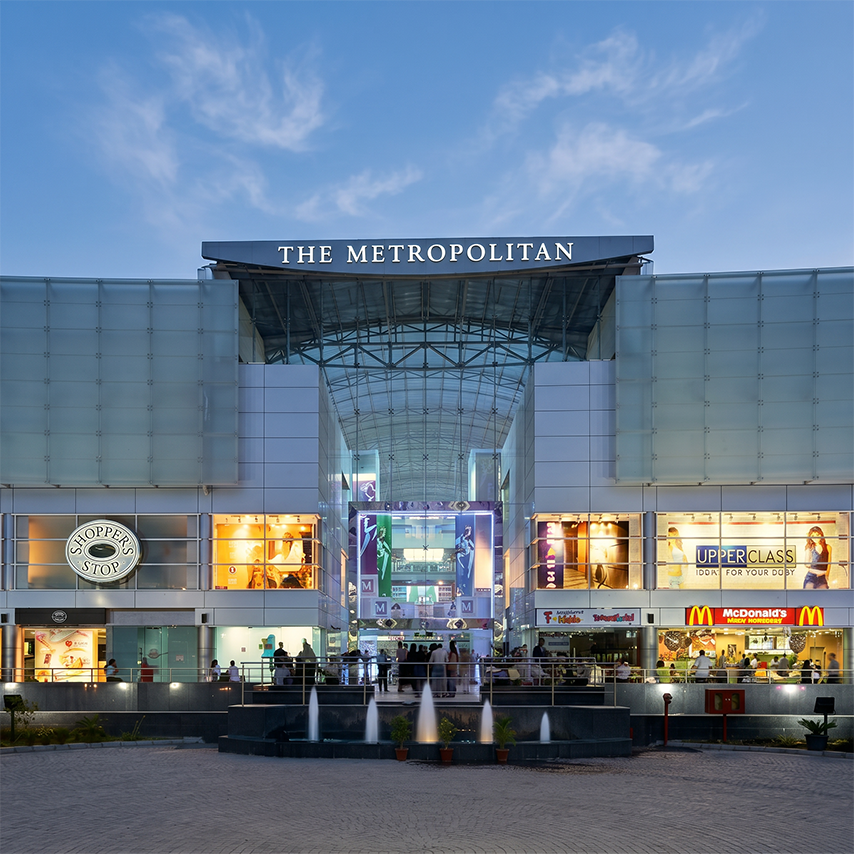
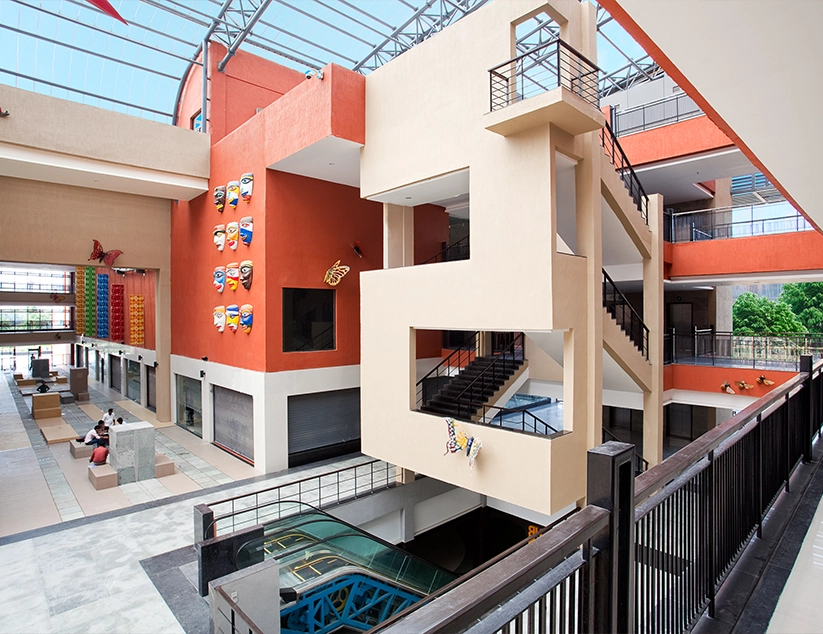
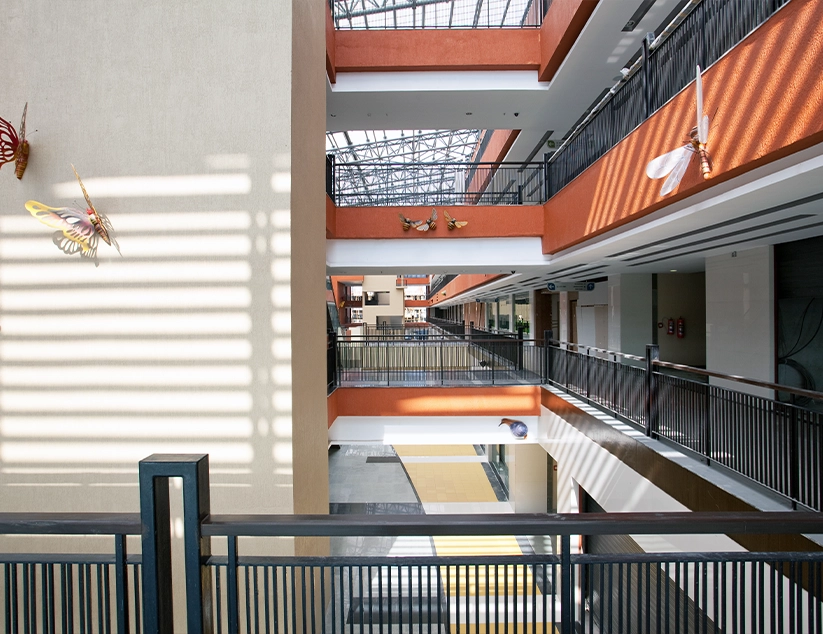
Its programme brings together retail, food and beverage, entertainment, children’s play areas, and a four-screen multiplex, while the architectural strategy draws less from the enclosed mall than from the idea of a market street. The building is organised on a large podium with multiple entrances and a central atrium that acts both as circulation hub and public arena. Shops of varying scales, restaurants, cafés, terraces, and leisure zones are arranged so that the considerable size of the development never becomes overbearing. Instead, the project breaks down into a porous ensemble of built, semi-open, and open spaces, giving the whole a more civic and accessible character.
This spatial porosity is inseparable from climate. In Siliguri’s warm, wet conditions, the design privileges shading, natural ventilation, and daylight over sealed mechanical enclosure. Buildings are oriented north-south to regulate solar gain, common corridors and atriums are naturally ventilated, and perforated rain screens allow airflow while protecting from monsoon rain. Terraces on every floor, a curving landscaped ground plane, and a central atrium roof designed for air movement all contribute to a more comfortable microclimate. City Centre’s significance lies in the way it turns retail into an instrument of urbanity. What it offers is not just programme, but a public life: scaled, climatically responsive, and deeply attuned to a town in transition.