India’s Concrete Surge: Transforming Buildings into Cities

Why intent-driven design -not just speed – is the only viable path through India’s unprecedented urban expansion.
India is undergoing the fastest urban build-out in human history. By 2040, an estimated 70% of the infrastructure that Indians will inhabit does not yet exist – a staggering projection from McKinsey.
This isn’t just a statistic – it’s an ethical and professional challenge. If our response is to simply build faster, we risk reproducing the same urban failures at greater scale. But if we use this moment to design with foresight, the opportunity is nothing less than a reinvention of the Indian city.
Table of Contents
Developers as City-Shapers, Not Lot-Fillers
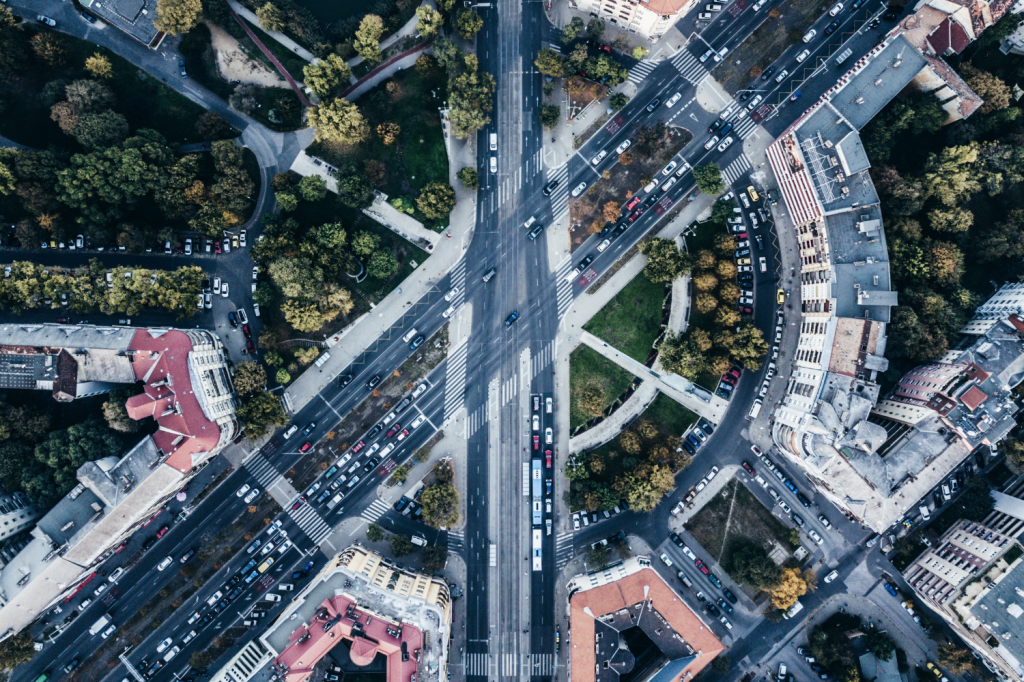
The current pace of construction places developers in a transformative role. They are no longer building within the city – they are, in effect, building the city. This shift demands a move beyond short-term plot optimization toward a broader urban vision.
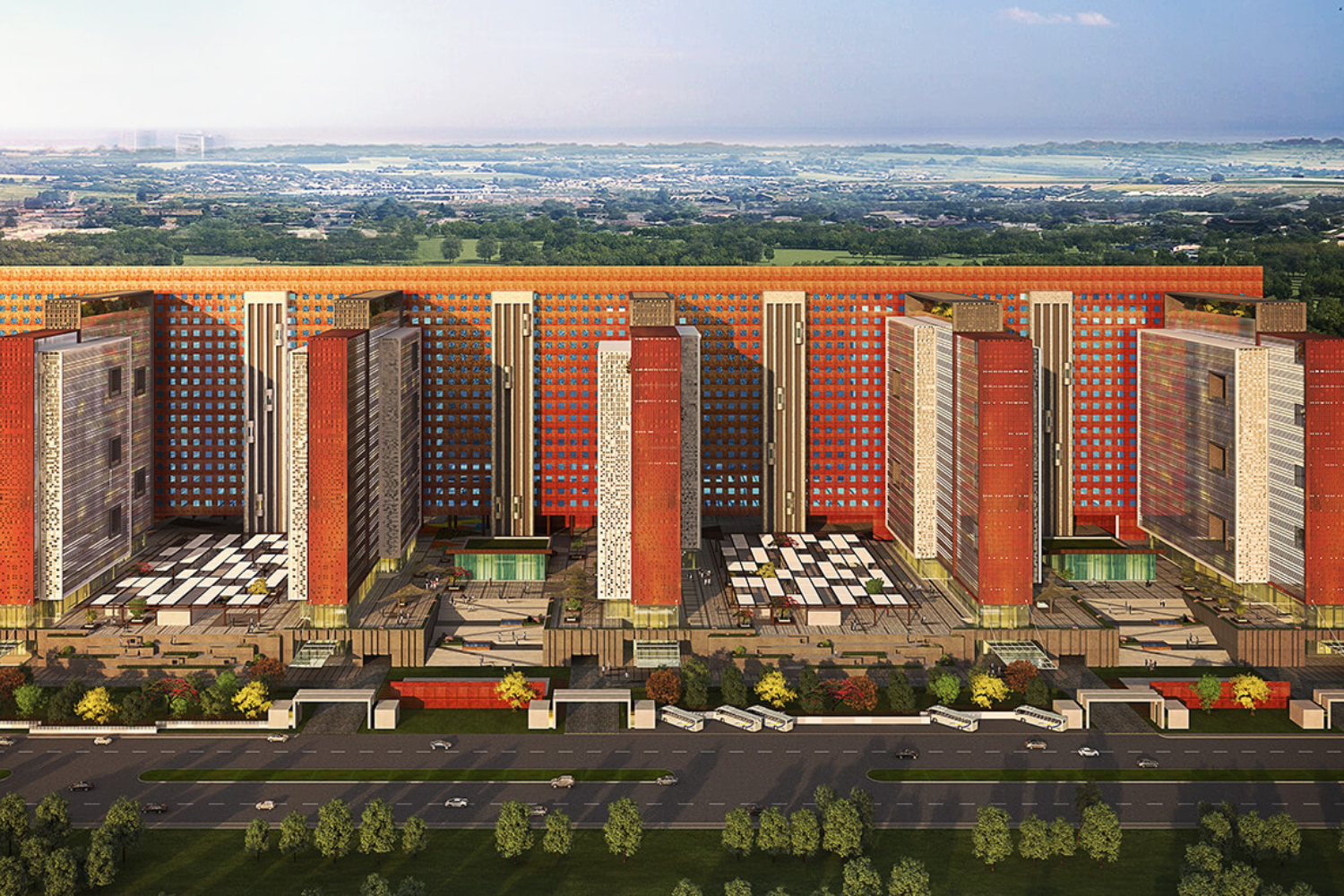
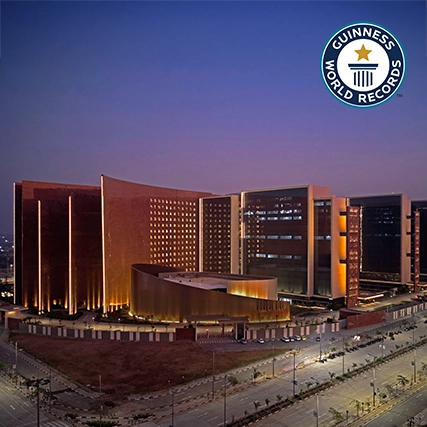
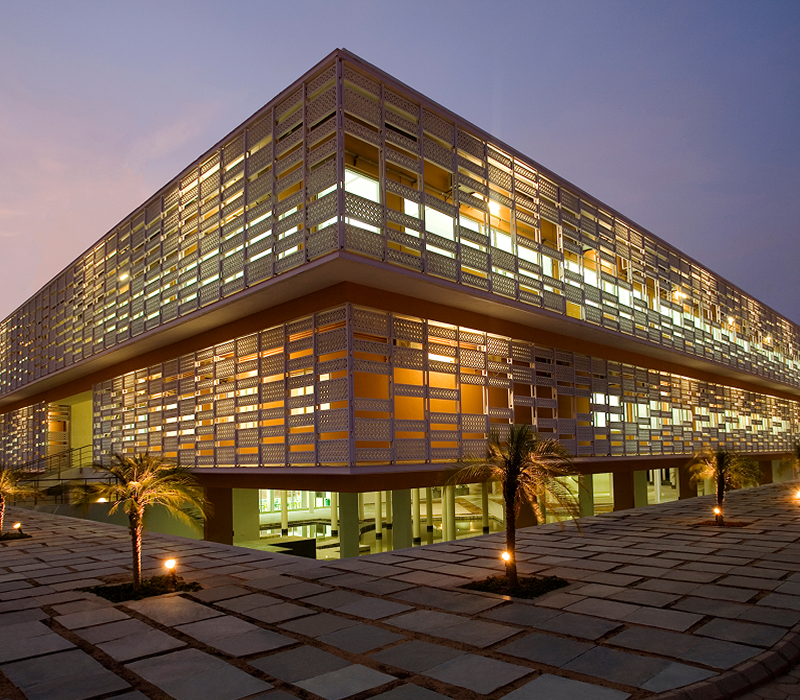
Consider the Wipro Campus in Hyderabad by Morphogenesis: four high-rise towers were not just stacked for efficiency but deliberately rotated to generate shaded courtyards, modulate the microclimate, and frame public spaces for over 11,000 users. Here, density is not a liability but an opportunity – where passive cooling, social infrastructure, and pedestrian networks are embedded by design.
Hybrid Programmes Outperform Single-Use Silos
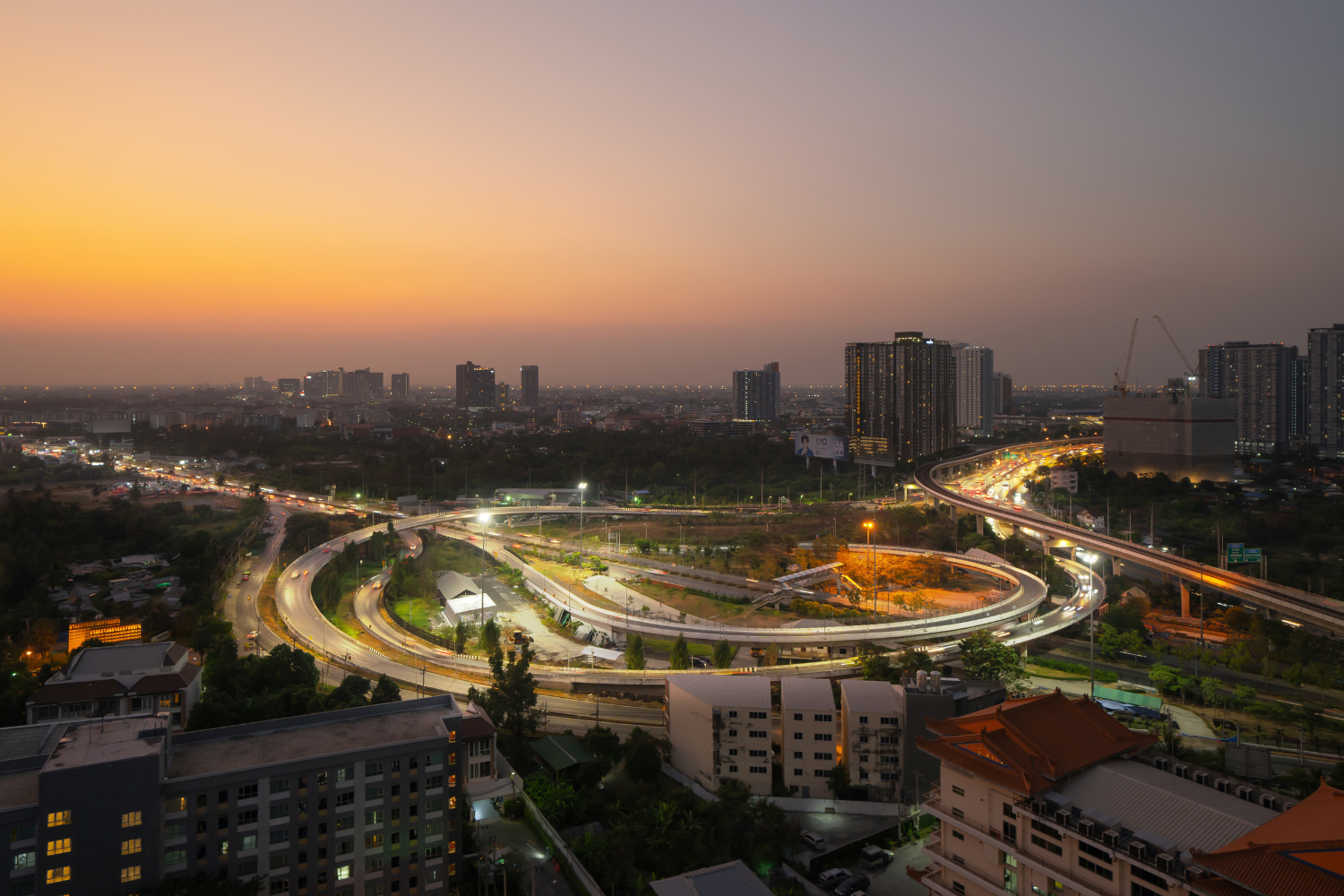
India’s rapid urban migration has disrupted the rigid zoning models inherited from the twentieth century. Life and work now interlace, commute patterns fragment, and public space is at a premium. Single-use master plans whether isolated office parks or residential enclaves – are no longer suited to this dynamic.
The alternative is hybrid programming: integrating housing, commerce, culture, and civic life in one cohesive footprint. Mixed-use transit hubs can reduce travel time and carbon footprint. Retail and public services can co-locate, reviving underutilized corridors. The result is not just urban efficiency, but urban vitality – where daily routines and serendipitous encounters animate streets, plazas, and nodes.
Climate-Responsive Design Is Mainstream Economics
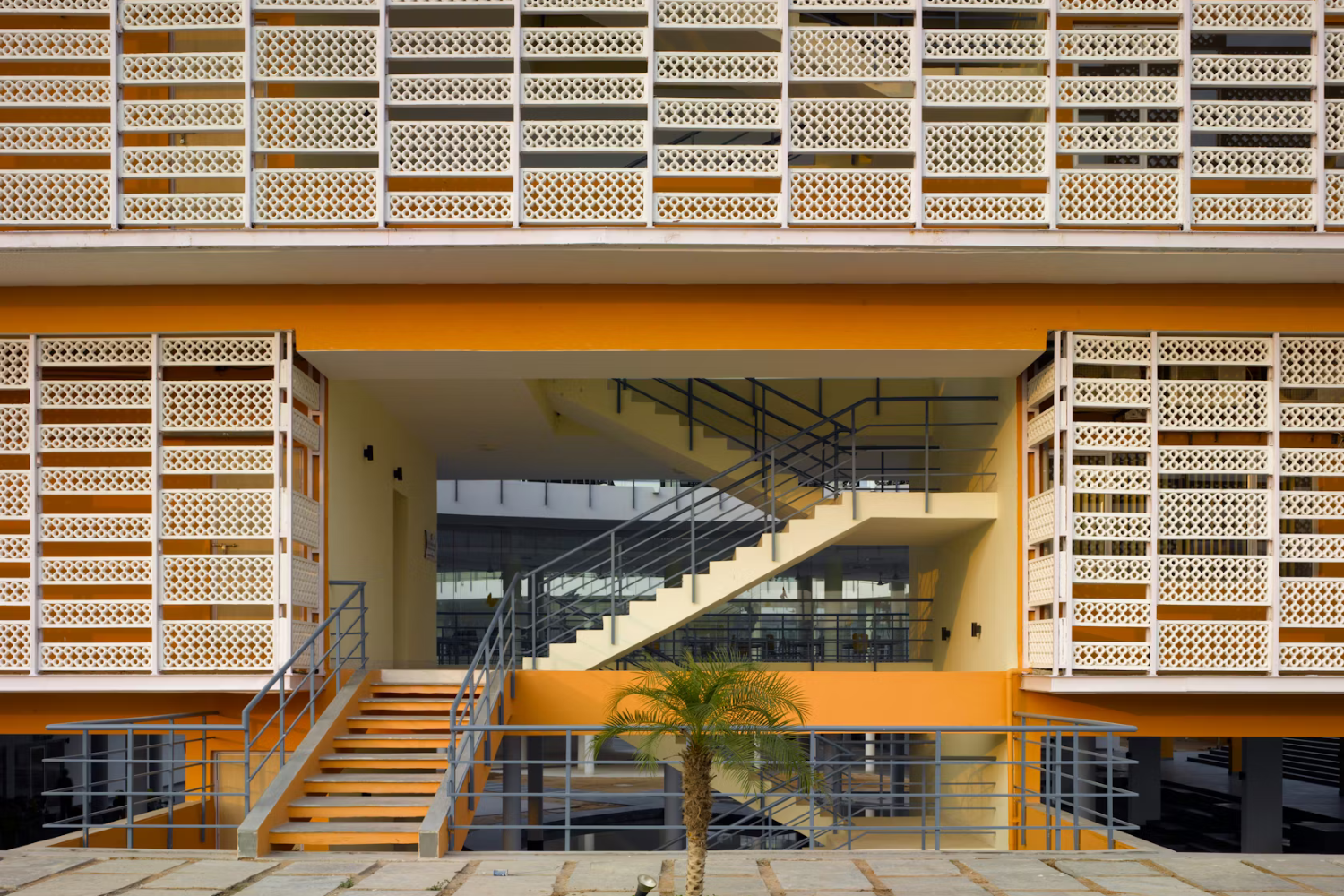
In a warming, resource-constrained world, buildings that require excessive mechanical intervention to function are not just environmentally unsound – they are financially irresponsible. Climate-resilient architecture is no longer a moral add-on; it is operational logic.
Design decisions like passive solar orientation, deep eaves, high-performance glazing, and operable fenestration do the bulk of the work. When these strategies are prioritized, HVAC loads drop, cap-ex is reduced, and long-term O&M costs stabilize. This is no longer guesswork – energy modeling and life-cycle analysis now affirm what vernacular design long practiced: architecture must align with climate, not compete against it.
Inclusion Is Urban Resilience