

Thought Leadership
Workplace Design 101
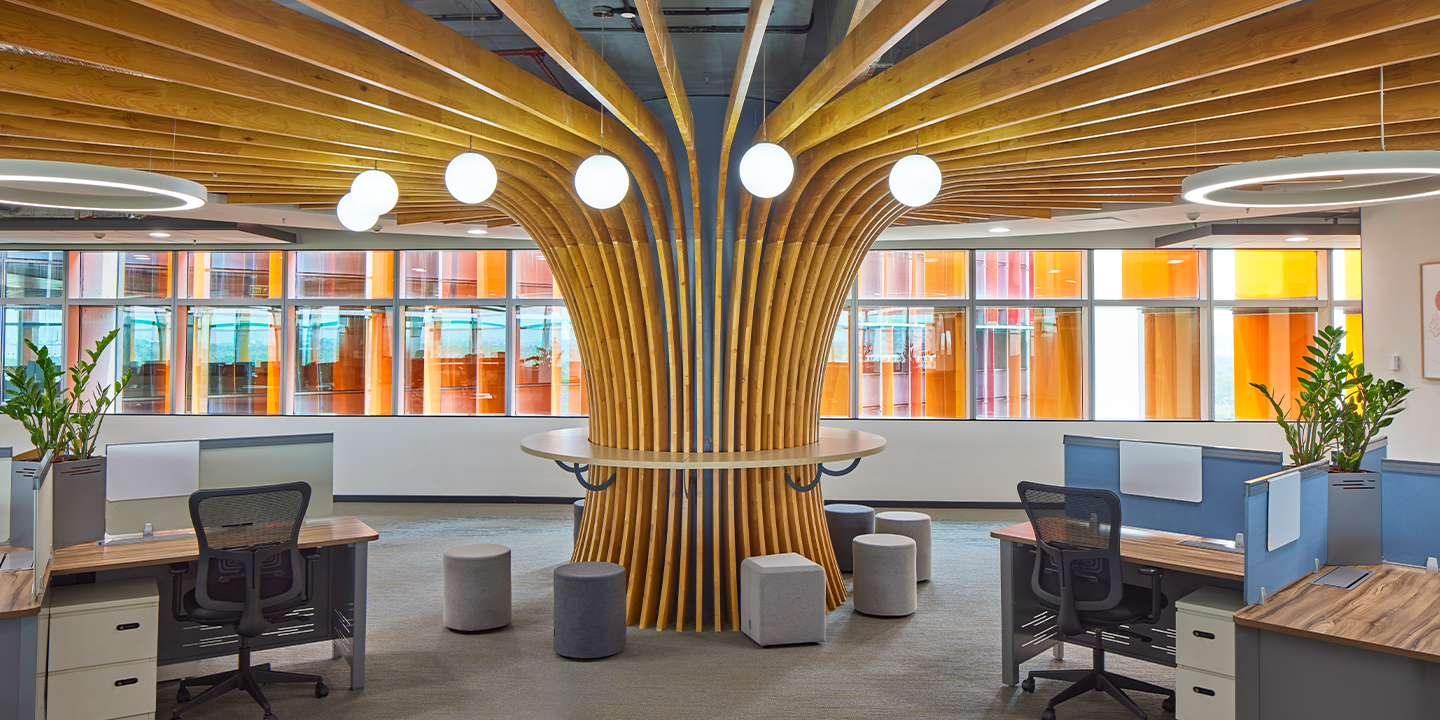
Workplace design plays an integral role in maximizing the productivity of employees of any organization.
Explore
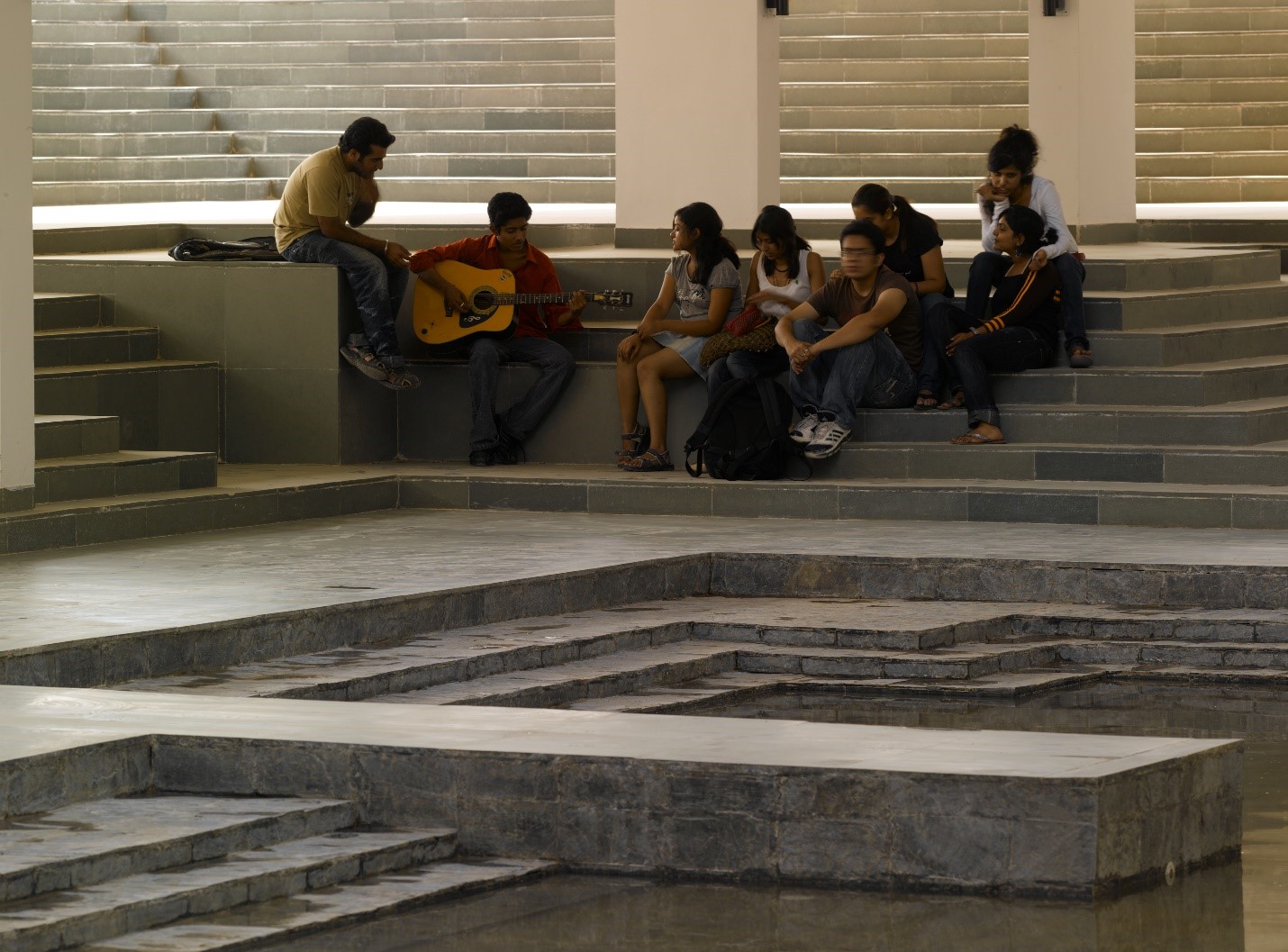
College and institutional building design: Key things to incorporate in educational buildings
Over the past few decades, we have witnessed a transformative change in the approach to education. Evolved and improved education systems, world over, are making learning a more interactive and dynamic process. In tune with these changes, institutional architecture has also transformed, to provide the right motif for the needs and aspiration of twenty-first-century students.Architecture
The Quintessential Elements of Vastu Shastra: An Exploration of the Pancha Bhootas
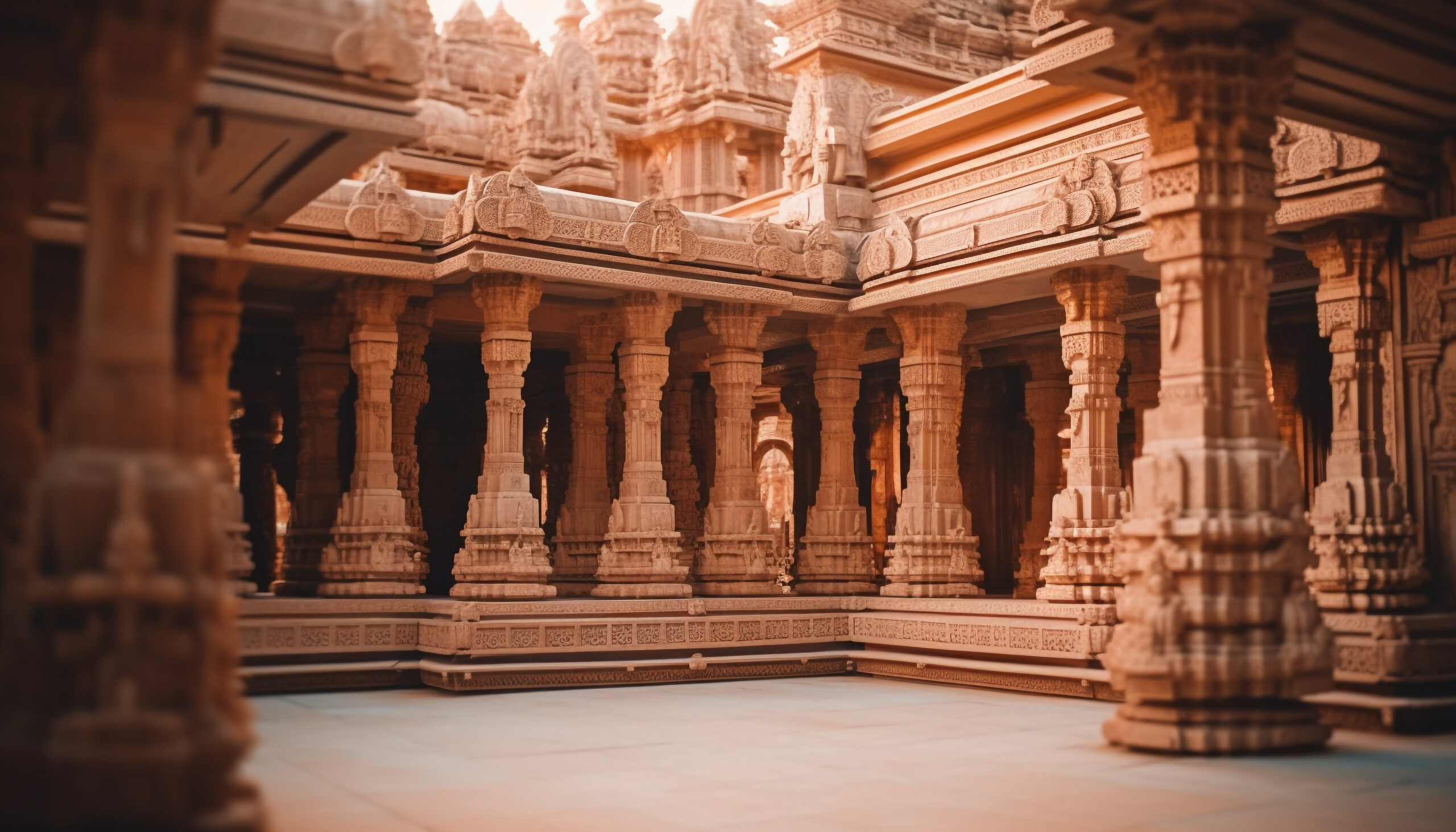
Explore the role of the Pancha Bhootas in Vastu Shastra, from understanding the five elements to balancing them within daily life. This guide highlights their significance, practical tips for harmony at home, and the lasting benefits of elemental alignment. Vastu Shastra, the ancient Indian science of architecture, is founded on the harmonious balance of the five elements, known as the Pancha Bhootas – Earth (Prithvi), Water (Jal), Fire (Agni), Air (Vayu), and Space (Akasha). These elements shape the flow of energy within a space, influencing health, prosperity, and overall well-being. The principles of Vastu aim to align human dwellings with the Pancha Bhootas, creating environments that support balance, positivity, and growth. Understanding these elements, along with their associated directions, is essential to grasping the true essence of this timeless practice.Architecture
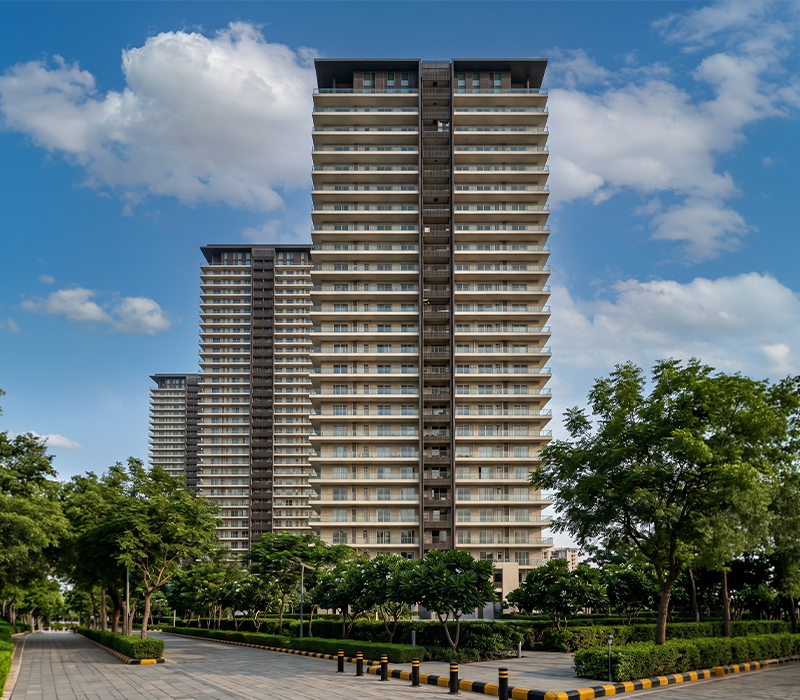
India’s Concrete Surge: Transforming Buildings into Cities
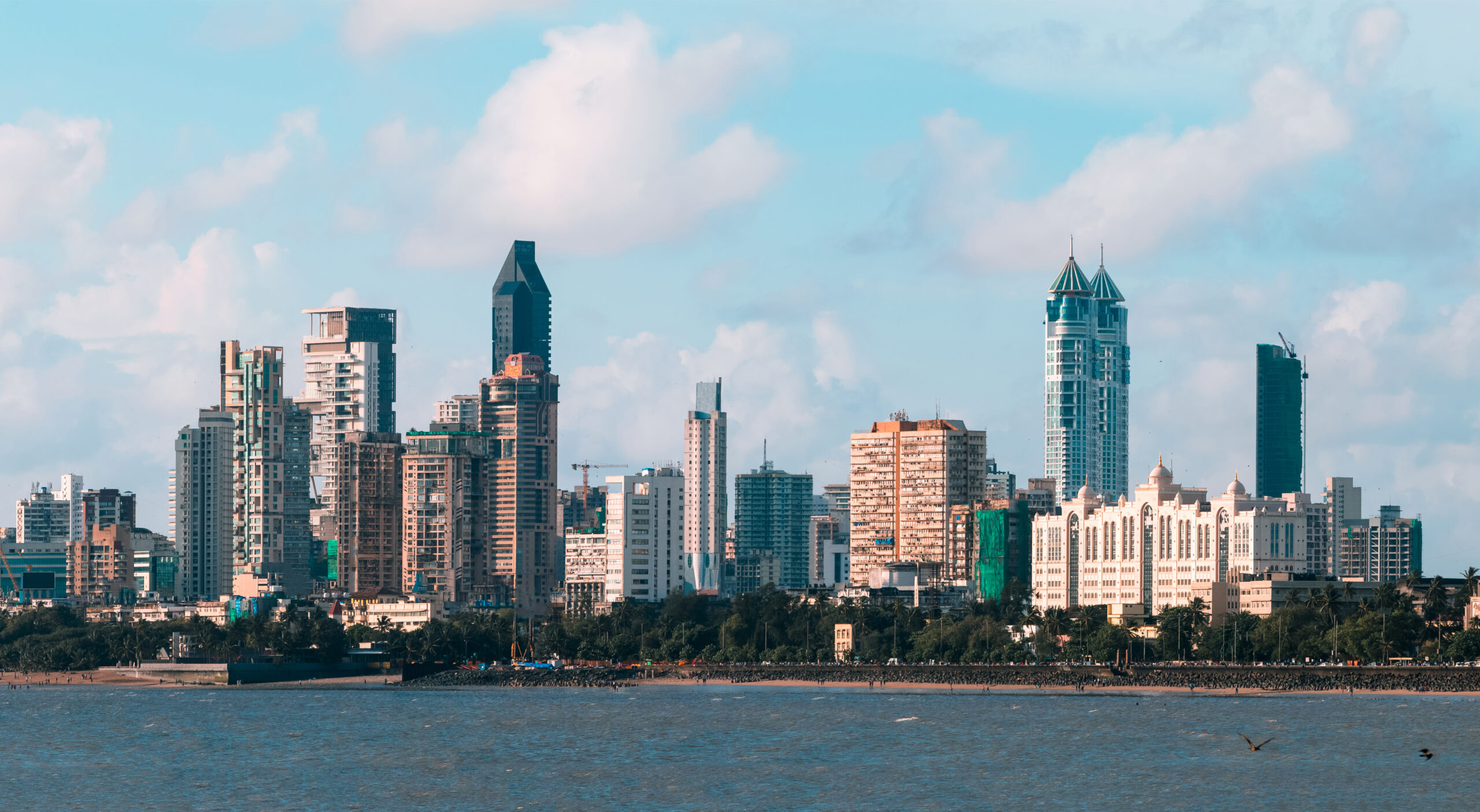
Why intent-driven design -not just speed – is the only viable path through India’s unprecedented urban expansion. India is undergoing the fastest urban build-out in human history. By 2040, an estimated 70% of the infrastructure that Indians will inhabit does not yet exist – a staggering projection from McKinsey. This isn’t just a statistic – it’s an ethical and professional challenge. If our response is to simply build faster, we risk reproducing the same urban failures at greater scale. But if we use this moment to design with foresight, the opportunity is nothing less than a reinvention of the Indian city.Architecture
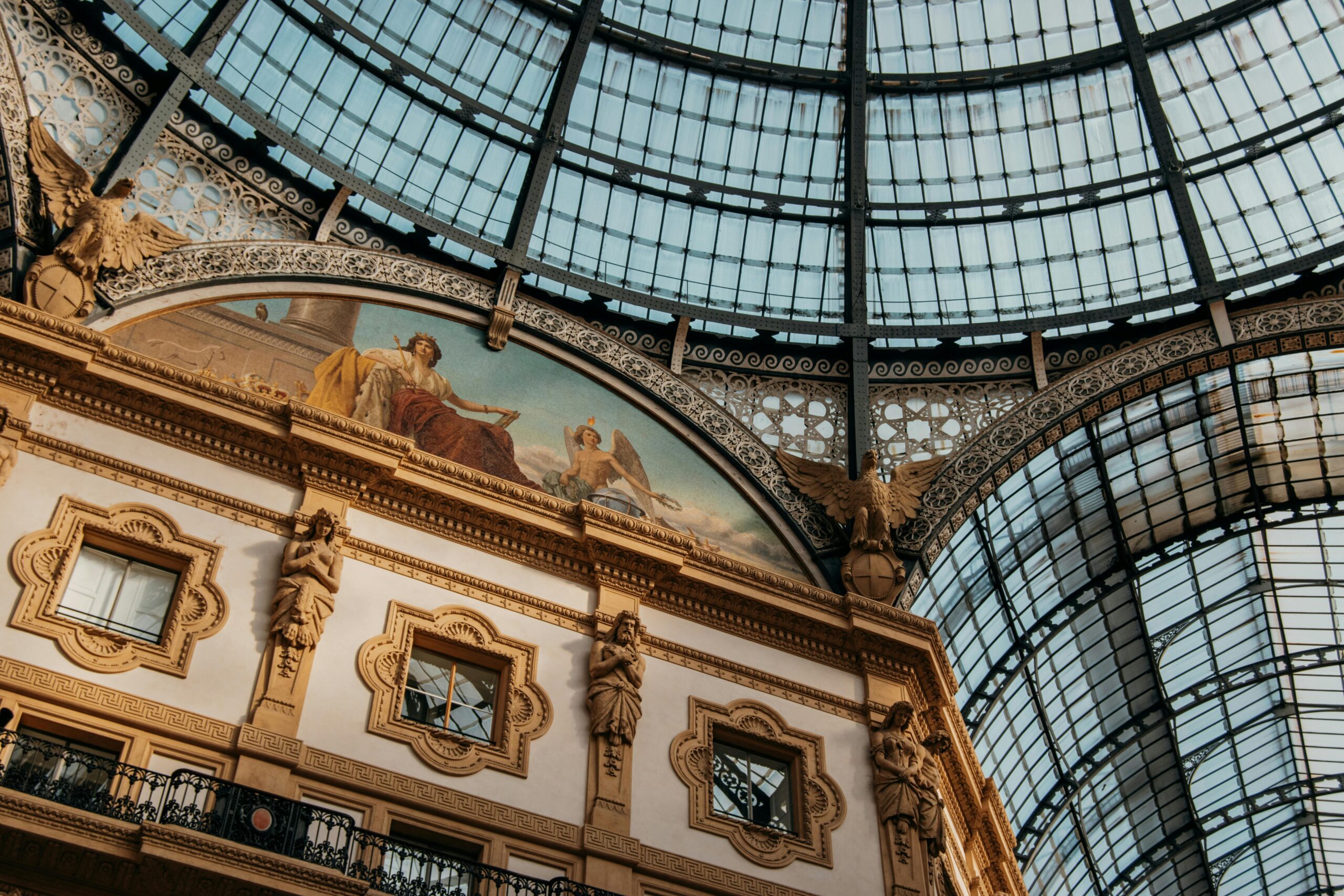
The Connection Between Art and Architecture
How two distinct disciplines coalesce to shape space, culture, and human experience Architecture and art have long shared a fertile boundary – each rooted in expression, but oriented toward different ends. Art speaks to the emotions, provokes thought, and reflects identity; architecture, while equally expressive, must also respond to context, climate, material, and human need. Yet when the two converge, they create more than just buildings or objects – they generate meaning. This article explores the dynamic relationship between art and architecture, unpacking their differences, intersections, and mutual evolution. From historical lineage to sustainable futures, we examine how form and function collaborate to shape spaces that are not only inhabited but felt.Architecture
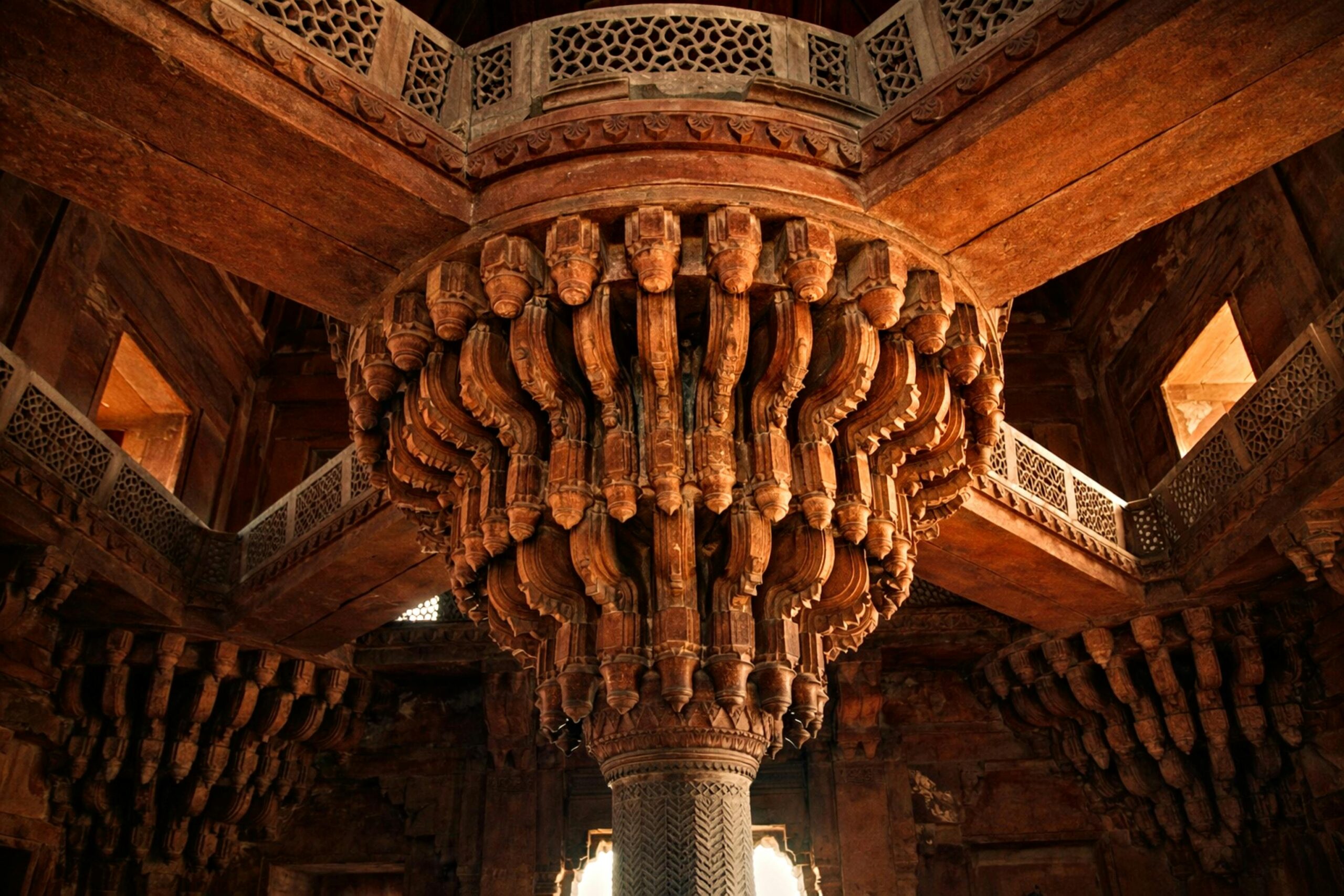
The History and Evolution of Architecture in India
From ancient temples to sustainable smart cities, we trace the rich architectural journey of India — revealing how tradition, technology, and cultural exchange have shaped the country’s built environment across centuries. Indian architecture is not merely a reflection of its built forms—it is the narrative of an ancient civilisation told through stone, wood, brick, and mortar. Spanning over 5,000 years, from the ingenious urban planning of the Indus Valley to the steel-and-glass towers of modern metropolises, Indian architecture has evolved in dialogue with religion, politics, culture, and climate. What makes this evolution exceptional is not just its timeline but its plurality—where cave temples and Mughal domes coexist with Art Deco bungalows and Brutalist institutions. This article explores the history and evolution of architecture in India, exploring the key architectural styles and types that have emerged over centuries. This content will highlight iconic architectural landmarks, types of Indian architecture and renowned buildings in India, giving readers insights into the contributions of Indian architecture firms and the cultural influences that shaped these structures.Architecture
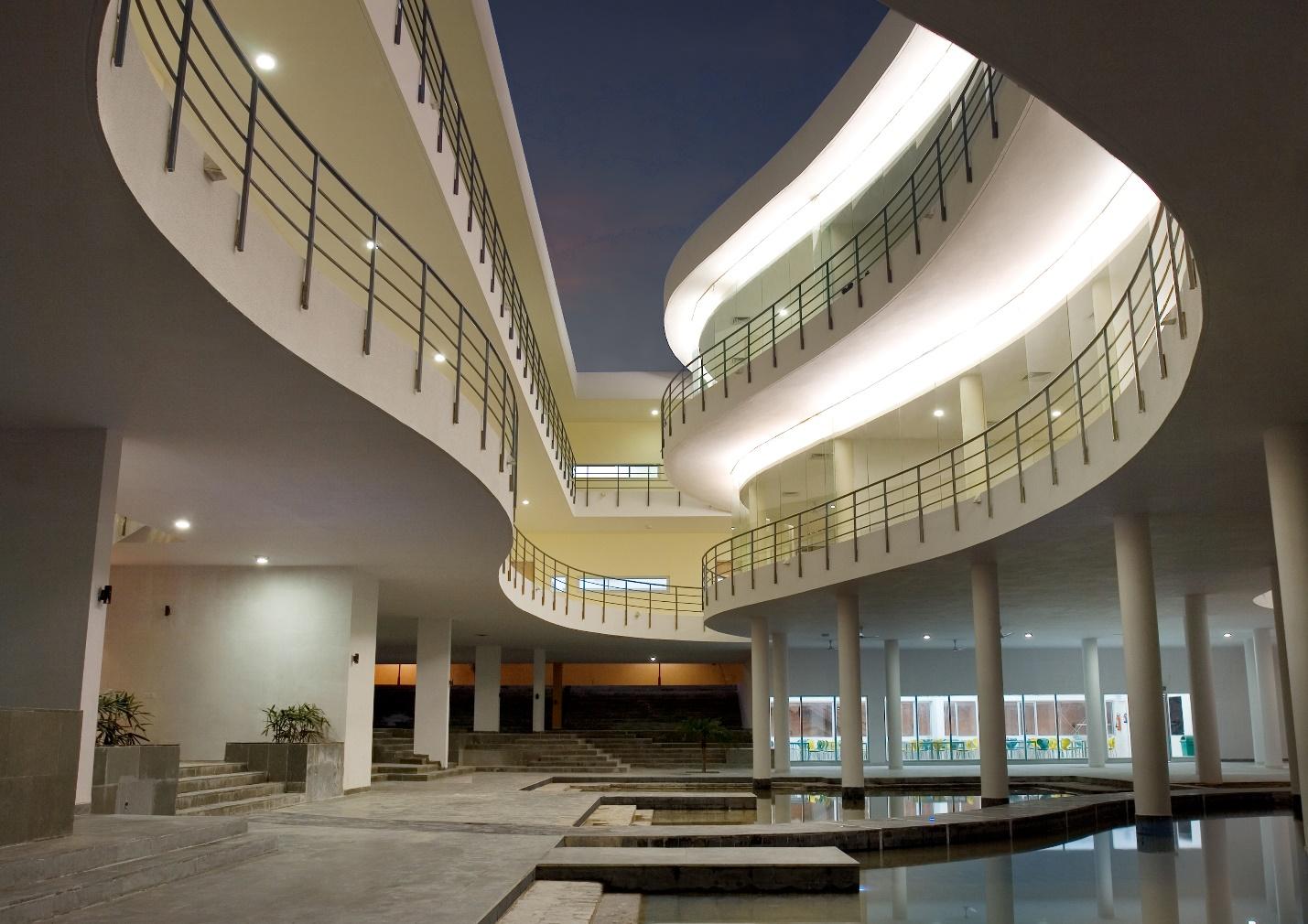
Designing for Clean Air: How Passive Architecture Mitigates India’s Air Pollution Crisis
Air pollution has emerged as a formidable threat to public health and urban sustainability in India. The Air Quality Life Index (AQLI), developed by the University of Chicago’s Energy Policy Institute, quantifies this impact starkly—Indians lose an average of 5.3 years of life expectancy due to persistent exposure to polluted air. In the National Capital Region of Delhi, where pollution levels routinely exceed safe limits, this figure approaches 12 years. These are not abstract numbers; they reflect a tangible deterioration in the quality and longevity of life, directly attributable to the air we breathe. This crisis is not confined to metropolitan regions. Rural India, too, is encumbered by air quality degradation resulting from a confluence of biomass combustion, vehicular exhaust, industrial emissions, and atmospheric dust. While regulatory frameworks and technological interventions are crucial, the built environment—which directly shapes air movement, energy consumption, and thermal dynamics—remains a critically underutilized tool in this battle.Architecture
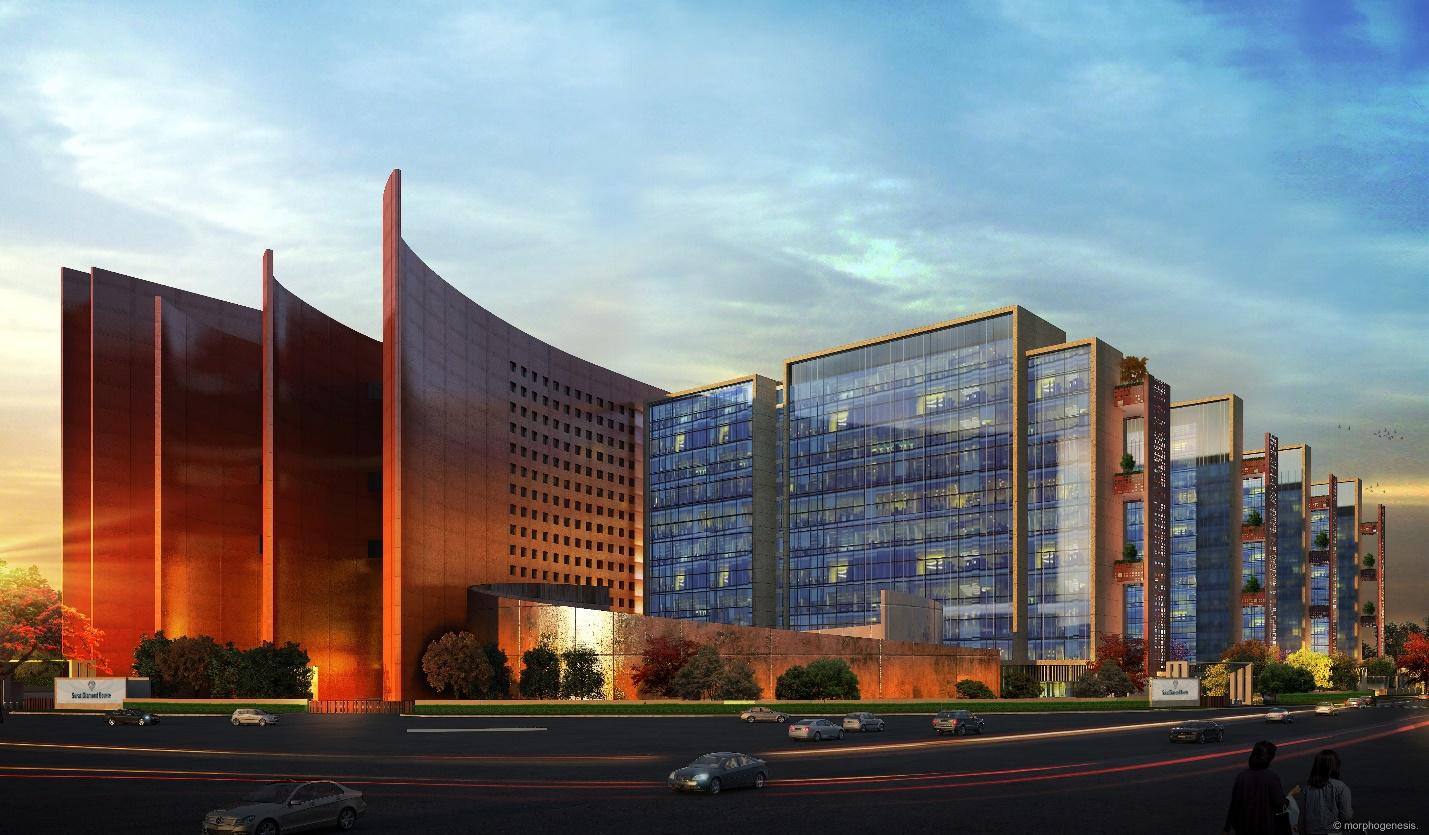
What is Urban Planning? Everything You Need To Know
Discover what net zero energy buildings are, their defining characteristics, the benefits they offer, the sustainable design strategies architects use, the innovative materials and technologies involved, and the role these buildings play in shaping a more energy-efficient future. Net zero in architecture refers to designing buildings that balance their annual energy consumption with on-site renewable energy generation. These buildings integrate energy-efficient systems, sustainable materials, and sources like solar or wind power to significantly reduce their carbon footprint. The ultimate goal is to create structures that generate as much energy as they use over the course of a year. This article explores the concept of net zero energy buildings—highlighting their importance in sustainable design, the benefits they offer, how architects approach such designs, and what the future holds for this green building revolution.Master Planning
How Green Buildings Can Help Mitigate Climate Change.
The discourse on sustainability in construction has long been subject to both genuine advancement and superficial adoption. As climate change accelerates, the role of buildings, which account for more than 40% of global carbon emissions, cannot be overstated. To make matters worse, this is set to double by 2050 according to The Climate Group. The necessity for a substantive shift towards true sustainability in the built environment is beyond question. Yet, much of what is labeled as “green” today is diluted by greenwashing—a phenomenon where sustainability becomes a marketing device rather than a genuine endeavor.Sustainability
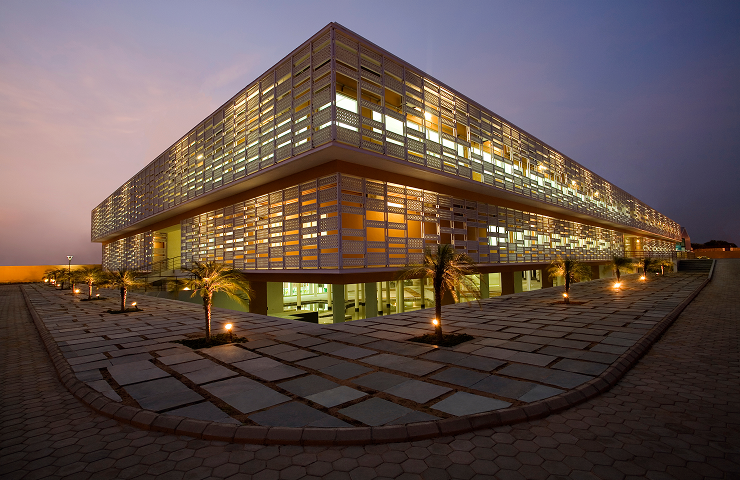
Vernacular Architecture: A Comprehensive Exploration of Its Meaning and Relevance in Modern India
Explore the meaning and significance of vernacular architecture in modern India. Learn about its sustainability, cultural preservation, climate adaptability, challenges, and how integrating traditional practices with modern design can create eco-friendly, regionally sensitive solutions for today’s architectural needs.Architecture